


Introduction
Steel tubing is a widely used engineering or structural material. Known for its strength and excellent performance, it is used in a wide range of applications, including construction and engineering projects. Two of the most common steel tubing specifications are ASTM A500 and A513.
At first glance, they seem similar—both are typically ERW—but they differ in several important ways. That being said, each offers unique characteristics and advantages. As we delve deeper into the differences, you will get a clearer view of each type of tubing.
ASTM A500 Tubing
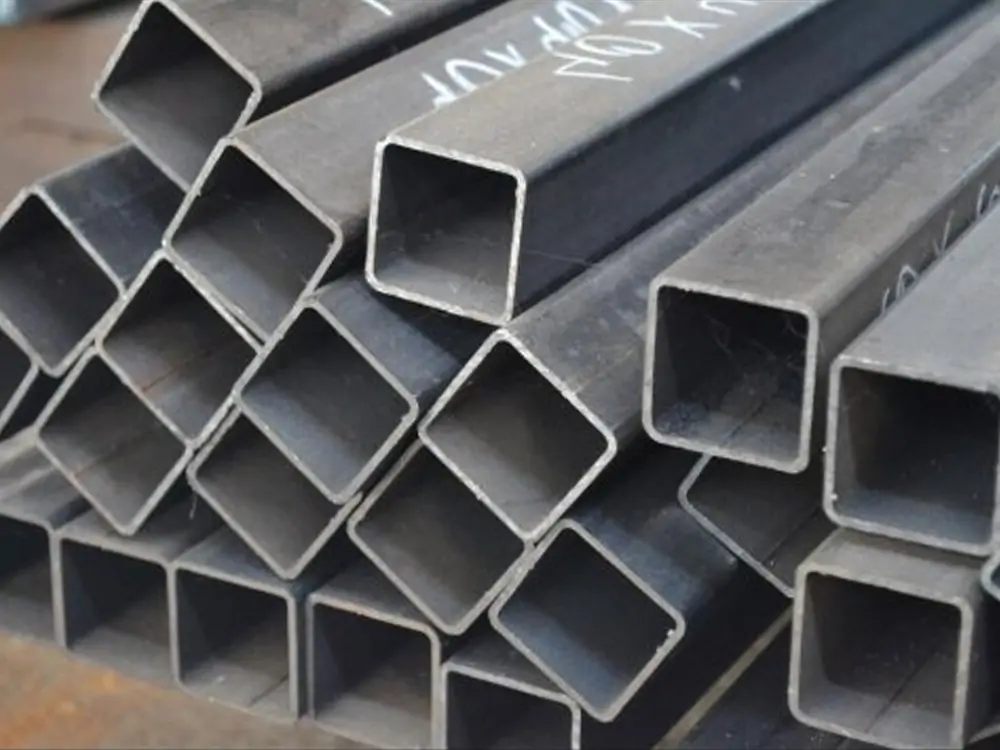
ASTM A500 tubing is a structural standard for high-strength steel tubing. This specification covers both seamless and welded cold-formed carbon-steel tubing. It is available in different shapes:
- Rectangular and square tubing (commonly called HSS)
- Round tubing
Of the two, A500 is the stronger, more durable option, with a higher tensile yield strength. This specification applies only to carbon steel. The Rock & Roll Hall of Fame in Cleveland, Ohio, is a well-known project that uses exposed A500 HSS in its design. ASTM A500 tubing has specific mechanical properties. You can get several grades of ASTM A500. A500 tubing is supplied with certified minimum yield strengths; A513 typically is not (unless specially requested). This ensures the quality of tubing used in construction projects.
ASTM A513 Tubing
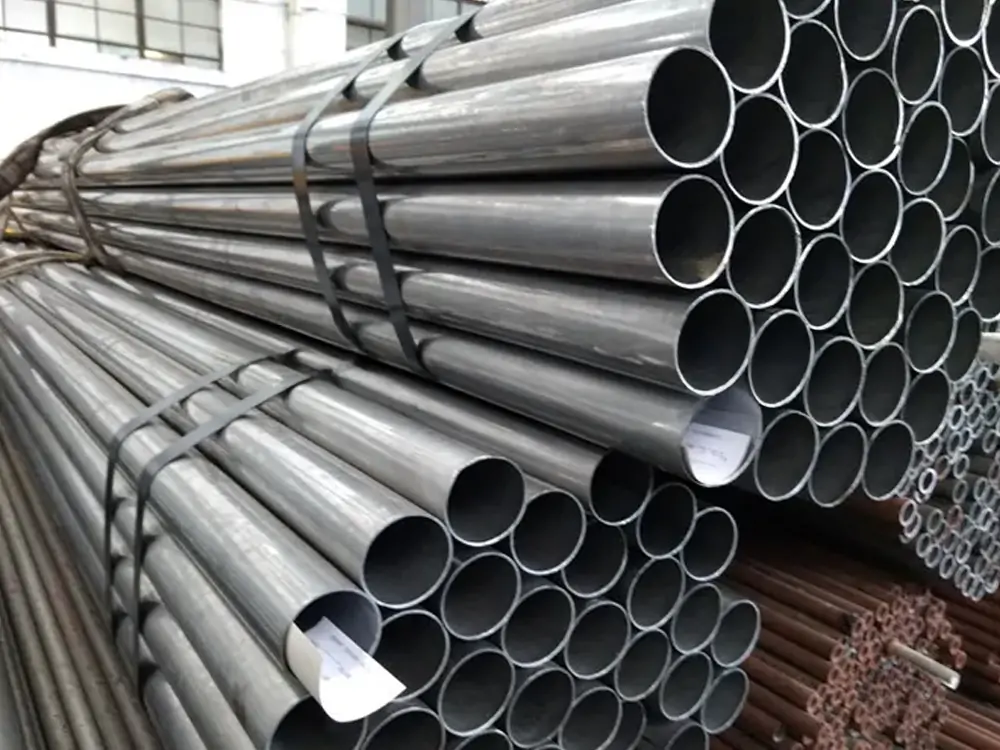
Mechanical standard tubing, ASTM A513 tubing, is used for mechanical applications. It usually applies to electrical resistance-welded carbon steel and alloys. It has lower strength than ASTM A500 but offers high machinability. ASTM A513 tubing is also available in rectangular, square, and round tubing. While configurations differ, such as:
- Type 1 (as-welded)
- Type 2 (improved surface),
- Type 5 (DOM)
- Type 6 (Special Smooth ID)
This tubing can be bent and fabricated, and that’s why it can be easily worked to tight tolerances. So, they make them a perfect choice for tubing in precision parts used in commercial appliances and automotive applications.
Key Differences
Composition And Mechanical Properties
ASTM A500 Tubing is mainly composed of high-grade steel. It primarily contains iron with low carbon content. However, it also includes metals such as manganese, silicon, and copper. The composition of these elements varies with different grades of this tubing. Designed for structural purposes, A500 tubing is highly ductile and weldable.
ASTM A513 tubing is made from 1008-1015 steel, which is mostly iron-based with a small amount of carbon. Mechanical and chemical properties vary across various types of ASTM A513 tubing.
Manufacturing Process
The manufacturing process also differs between the two tubings. ASTM A500 is primarily cold-formed welded (ERW or submerged-arc).
ASTM A513 tubing is produced by the ERW process (Electric-Resistance Welding). It is made from hot or cold-rolled steel as specified.
Surface Finish
A500 has a typical mill finish, whereas A513—especially DOM—offers a far smoother, cleaner surface.
Applications
With high structural strength, ASTM A500 steel tubing is commonly selected for structural roles. Common applications include bridges, structural steel frames, and automotive structures.
As ASTM A513 tubing offers a good surface finish and is easily bendable, it is used to make custom mechanical parts and assemblies. Additionally, automotive components, frames, furniture, and gym equipment can be made.
Price
A500 is generally less expensive because it has wider tolerances. In particular, Type 5 DOM(A513) commands a premium because of its superior finish and tight tolerances.
Conclusion
Both ASTM A500 and ASTM A513 steel tubing play a crucial role in various applications. But when it comes to evaluating the best one for your project, careful selection is the key. Choosing the wrong one can quickly become very costly.
For a quick recap:
- ASTM A500 tubing is best suited for structural applications that require heavy-duty support.
- ASTM A513 tubing with a good surface finish and dimensional accuracy is best when you need to work with tight tolerances.