


Introduction
The standard reference of the square hollow section is the box steel or tube steel. The aesthetic appearance of steel tubing makes it ideal for construction. They are suitable for the manufacture of steel structures and machinery. The manufacturer prefers the use of hollow structural sections. They could improve structural integrity, cost efficiency, and durability.
These square hollow sections are made of carbon steel, stainless steel, and aluminum alloy. Their pure geometry, exceptional strength-to-weight ratio, and versatility render them indispensable across industries. Their square-shaped structure differentiates them from RHS and CHS.
In this article, you will learn about the properties and specifications of SHS, the differences between SHS, RHS, and CHS. Here, some of the advantages and applications are also stated.
Key Features of SHS
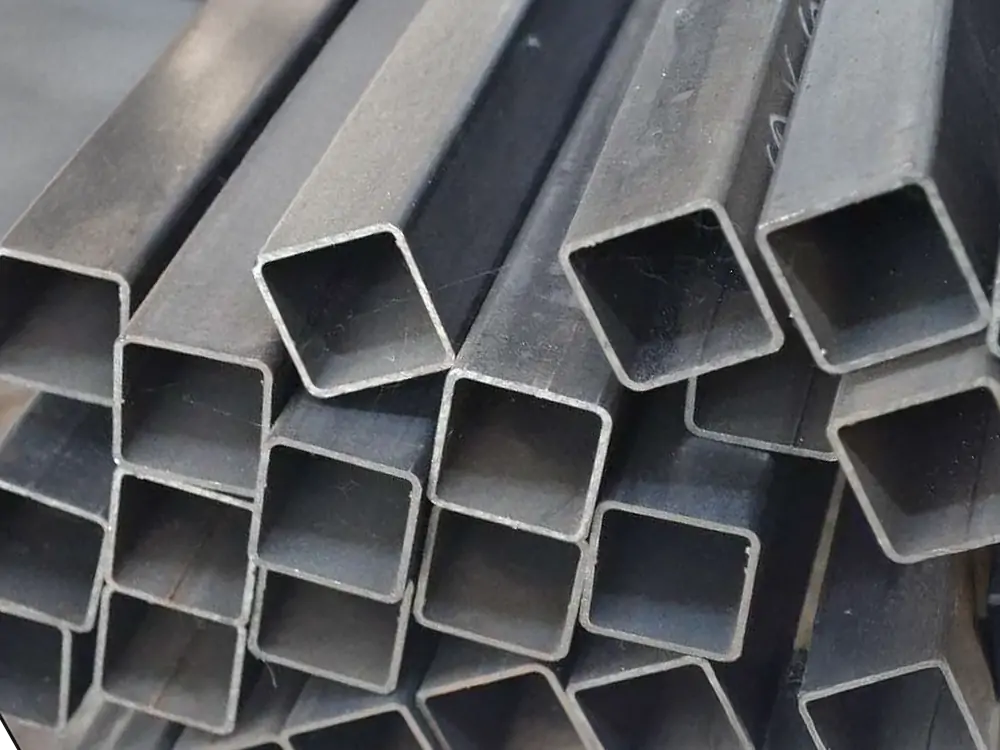
Some key properties and specifications set SHS apart from its counterparts. The primary characteristic of the SHS is its uniform square profile and uniform thickness along its length. They are suitable for applications like bilateral load resistance. They are manufactured by processes such as hot forming for tubes and cold forming for welded ones.
· Load Distribution
Manufacturers use hollow square sections for their symmetrical shape. It provides equal structural resistance in both horizontal and vertical directions. This makes SHS suitable for columns, frames, and load-supporting assemblies.
· Sizes and Grades
SHS usually is between 10 x 10 mm and 500 x 500. They have a wall thickness ranging from 0.5mm to more than 120 mm, depending on the application. S235, S275, S355, and ASTM A500 grades are usually used.
· Durability and Surface Finishes
These hollow sections are available in black steel, painted, hot-dip galvanized, or stainless steel. All of these features make them perfect for both indoor and outdoor settings.
· Torsional Resistance
SHS has a wall thickness of around 120mm, which increases its resistance to twisting forces. They have greater strength than open profiles, such as I-beams or channels.
SHS vs RHS vs CHS
There are various types of hollow sections, made of stainless steel or carbon steel, available on the market. The buyer should have information about SHS, RHS, and CHS to make an informed decision. Here is the detail of the differences between them:
| Differences | SHS | RHS | CHS |
| Key feature | These stainless-steel square hollow sections have balanced geometry and equal sides. | The rectangular hollow sections have extended vertical and horizontal sides. | Circular hollow sections have high compression and bending resistance. |
| Manufacturing process | These structures are made by direct or indirect forming. | Hot or cold forming. | The flat strip is joined by welding, or hollow sections are formed. |
| Applications | Architecture, structure, or uniform load bearing. | RHS frames and lintels require directional strength. | These are used in the construction of aesthetic structures. |
The Benefits of Using SHS
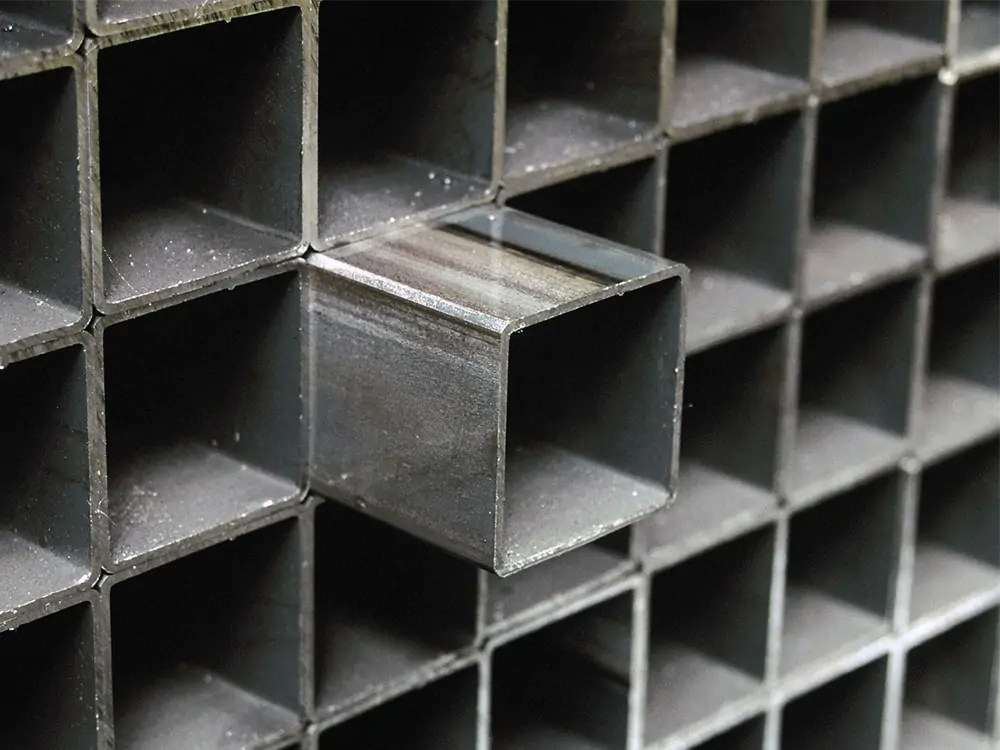
SHS offers several practical advantages that make it applicable across most industries.
· Strength-to-Weight Ratio
The hollow center reduces weight while maintaining the outer walls’ stiffness. This reduces material use and simplifies transportation and installation.
· Economical
Due to the predictable shape, cutting, welding, and assembling are easy. This saves time and minimizes labor expenses.
· Flexibility and Aesthetic Appeal
The square form fits in contemporary designs. It produces clean and simple lines. They are used in railings, visible supports, sign frames, and ornamental structures.
· Sustainability and Durability
The closed form helps prevent moisture, dust, and debris. This retards corrosion and enhances the lifespan of the steel. SHS can also be incorporated into the long-term building plans because steel can be recycled.
Applications of SHS
SHS can be found in many different settings, sometimes in places most people overlook.
· Construction
In buildings, SHS are used for floors, beams, roof frames, stair assemblies, and internal supports. Their steady form helps keep structures reliable.
· Agriculture and Manufacturing
Farms use SHS for sheds, greenhouses, and storage units. They hold up well in humid and livestock-heavy environments.
Manufacturers rely on SHS for parts that must stay straight under stress. Common uses include:
- Equipment frames
- Conveyor supports
- Machine brackets
- Structural components
These uses benefit from a profile that cuts neatly, welds well, and stays stable.
· Transport and Automotive Industry
SHS appears in:
- Vehicle frames
- Support systems
- Pedestrian walkways
- Telecom towers
- Transport shelters
Their steady strength and manageable weight help in each of these roles.
Conclusion
Square Hollow Sections play a significant role in modern engineering and construction. Their hollow design offers a strong balance of durability, strength, and a clean appearance.
Because they balance cost, usability, and long service life, SHS remain among the most commonly used profiles across many industries. They can support anything from large infrastructure to smaller architectural pieces.
For those seeking reliable hollow sections, Uniasen supplies products that meet international standards. Their range includes:
- Consistent sizing
- Strong steel grades
- Quality surface finishes
- Worldwide shipping options
- Responsive customer service