
Australia and New Zealand have strict rules and regulations for importing steel pipes. ACRS certification and MTC compliance provide a seamless entry into the Australian market.
Fake and fabricated certificates can cause issues with the clearance process. Therefore, you should verify the ACRS and MTC certificates. Today, we will walk you through the step-by-step ACRS and MTC certificate verification process.
Why Verification is Essential
Many construction projects require proper documentation verification. ACRS and MTC certificate verification is essential; otherwise, you may experience:
- Site rejection of materials
- Delays in project approval
- Additional testing costs
- Contractual disputes
- Insurance complications
- Potential structural compliance issues
For the seamless entry into the Australian market, you must verify the certificates.
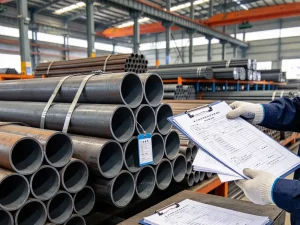
Step-by-Step Guide to Verification of ACRS and MTC certificates
Verifying ACRS and MTC certificates is essential; otherwise, you may work with bogus suppliers. When products arrive, they may not clear customs because of fake or inaccurate documentation. Our step-by-step guide resolves these issues.
Step 1: Obtain the Supplier’s ACRS Certificate
First, verify whether the supplier is ACRS-verified and certified. For this, you should obtain documents such as ACRS certificates, the supplier’s name, location, and registration.
The biggest error is relying on the PDF. The PDF file may be fake. Therefore, manually verify all details and confirm the latest certificates and verification process.
Step 2: Verify the Certificate in the ACRS Database
If you are unsure whether the supplier’s verification certificates are original or fake, go to the ACRS database and check the records.
Enter the registration data and confirm the following details.
- Manufacturer name matches the supplier documentation
- Factory location matches the production facility
- Certificate remains active
- No suspension or withdrawal notices exist
- Product scope covers the purchased steel pipes
Ensure all your suppliers have a valid ACRS certification and provide authentic details.
Step 3: Confirm the Product Scope
One of the most common mistakes is assuming that ACRS certification covers all products. But that’s only true if you have checked thoroughly.
Verification certificates are often product-specific and may vary by conditions and product. Therefore, you should consider the following coverages in this process.
- Cold-formed structural hollow sections
- Circular Hollow Sections (CHS)
- Rectangular Hollow Sections (RHS)
- Square Hollow Sections (SHS)
- Structural steel tubes
- Relevant AS/NZS 1163 grades
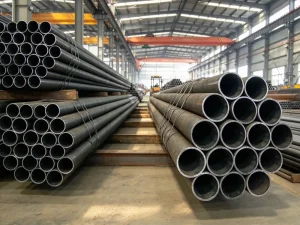
Step 4: Verify Grade Designation
One more thing to check in the ACRS certificates is the steel grades. The certificate and MTC should clearly identify and verify the steel grades.
If you ordered C350L0 material, both the ACRS and MTC certificates should verify the steel grade and confirm the required protection.
Step 5: Verify the Heat Number
The heat number is one of the most crucial things to check. It helps trace the exact origin of the products. It also identifies the steel batch and the lab testing the steel has undergone.
The verification of the heat number is pretty simple as follows:
- Step 1: Check the heat number on the MTC.
- Step 2: Compare it with packing records.
- Step 3: Compare it with bundle tags.
- Step 4: Compare it with pipe markings.
- Step 5: Ensure all references match.
Step 6: Check Chemical Composition
The chemical composition of steel products affects the overall quality of steel pipes. Some materials are highly durable and provide better resilience.
Based on chemical composition, your steel’s corrosion resistance and impact performance may change.
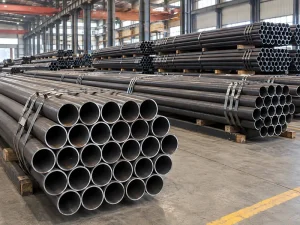
Step 7:Verify Mechanical Properties
Mechanical properties of the steel materials are critical for different applications.
The MTC report must provide data about the yield strength, tensile strength, and elongation.
AS/NZS 1163 C350L0 has a few minimum requirements. For example, yield strength should be above 350 MPa, while tensile strength should exceed 430MPa.
Confirm the values match and exceed the requirements.
Step 8: Verify Charpy Impact Test Results for C350L0
If you have purchased C350L0 steel for high-performance applications, the Charpy impact test is vital. It assesses impact resistance. For C350L0, AS/NZS 1163 ensures Charpy V-notch testing at 0°C offers specified minimum absorbed energy values.
This verification is crucial for different projects and ensures consistent results.
Step 9: Verify Laboratory Accreditation
AS/NZS 1163 requires lab traceability on verification certificates. It must provide all the details. You should manually verify the lab testing and accreditation. The lab must be affiliated with the ACRS and have an authentic testing and analysis process for steel product testing.
An MTC should provide enough information to trace the products.
Step 10: Look for Signs of Counterfeit Documents
Some suppliers may provide counterfeit documents. You should look for red flags, such as:
For ACRS Certificate, Red Flags include:
- Expired certificate
- Missing certificate number
- Incorrect manufacturer name
- Altered logos
- Product scope not matching order
For MTC, Red Flags include:
- Missing heat number
- Missing signature
- Missing test data
- Identical test results across multiple heats
- Blurred or edited sections
- Inconsistent formatting
How Uniasen Supports Documentation Transparency
UNIASEN supports Australian buyers with all critical documentation for ACRS and MTC verification certificates. Our transparent documentation package includes:
- Valid ACRS certification references
- Product traceability records
- Heat number identification
- Chemical composition reports
- Mechanical test reports
- Impact test results for L0 grades
- Laboratory traceability information
- Consistent markings between pipe, bundle, and certificate
With the authentic documentation and records, you can verify all the certificates. This helps prevent delays during cross-border shipping. Moreover, you can ensure reliable entry of steel products and better compliance with local rules and regulations.
Conclusión
The Australian and New Zealand markets have developed different standards for the filtration of construction projects. Only verified materials can cross the border and receive customs clearance. To avoid fake documentation and get easy clearance, you must verify certificates beforehand.
If you are looking for ACRS-certified suppliers, UNIASEN is here to help. We feature compliance and certificates for easy clearance at the customs borders in Australia and New Zealand. Contact our experts for your steel pipes.