
Australia is one of those countries that implement strict rules and regulations on steel products. They have a list of rules that manufacturers, importers, exporters, or contractors must comply with at all times. This means choosing steel products isn’t just about price. ACRS-certified sources must verify them and demonstrate compliance with all Australian standards.
Today we will discuss how uncertified suppliers and steel products from ACRS pose risks and lead to border detentions and rejections. Let’s learn together.
Why ACRS Certification Matters in Australia
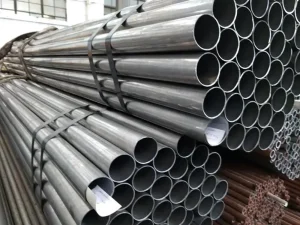
ACRS certification is an independent third-party scheme that evaluates steel suppliers and products according to Australian rules and standards. Compared to one-time inspection services, ACRS applies stringent rules and regulations and evaluates the whole manufacturing system, including:
- Steelmaking processes
- Rolling and forming operations
- Heat treatment procedures
- Quality management systems
- Product testing programs
- Batch traceability systems
- Ongoing production consistency
ACRS certification applies to multiple types and constructions of steel products. Here are a few examples.
- Structural steel pipes
- Cold-formed hollow sections
- Square steel tubes
- Rectangular steel tubes
- Reinforcing bars
- Prestressing steel
- Welded mesh
- Structural beams
- Piastre in acciaio
Using an ACRS Certified system ensures the product meets all applicable rules and regulations throughout testing and the entire production process.
The Real Cost of Choosing Uncertified Steel
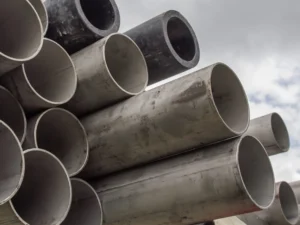
Do you know what will happen if you choose uncertified steel? Your steel products may be rejected or incur additional border costs.
The typical cost effects may be:
- Port storage charges
- Demurrage fees
- Customs delays
- Re-inspection expenses
- Site rejection costs
- Project delays
- Contract penalties
- Material replacement costs
- Return freight charges
- Legal disputes
Risk #1: Port Detention and Customs Delays
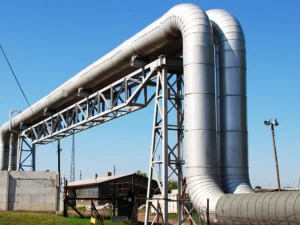
A key risk factor is the entry of steel products. Once you have imported the products into Australia, customs checks product compliance, verifies the process, and ensures the steel complies with Australian rules and regulations.
If it fails to comply, the following consequences may occur:
Additional Documentation Requests
Authorities may demand additional documentation, such as:
- Mill Test Certificates (MTCs)
- Manufacturing records
- Product traceability documents
- Independent laboratory reports
- Compliance certifications
Missing or incomplete documentation can delay cargo release.
Storage and Demurrage Costs
Every container that stays at the port has to pay additional fees, such as:
- Demurrage charges
- Container detention fees
- Terminal storage fees
- Logistics rescheduling costs
Together, these charges eat into budgets and profits.
Supply Chain Disruptions
Delayed cargo can affect the entire supply chain. It brings the following results.
- Delays in Construction schedules
- Affect Material delivery commitments.
- Rearrange Contractor mobilization plans
- Adversely impacts the equipment rental arrangements.
Even a slight delay in the project can be dangerous.
Risk #2: Site Rejection by Engineers and Superintendents
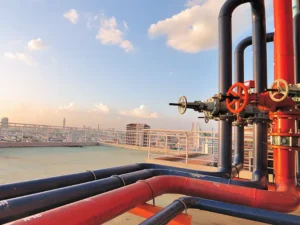
Even if you get clearance from customs authorities, the products may still go through verification. Australian project superintendents, consulting engineers, and quality assurance teams carry out this verification to test and review documentation.
As a result, they may reject the site projects.
Common Reasons for Site Rejection
Several reasons can lead to site rejection. Here are some of these.
- Missing ACRS certification
- Incomplete traceability records
- Non-compliant testing documentation
- Unverified manufacturing sources
- Questions regarding material consistency
If materials are rejected, contractors must take responsibility and bear all losses.
Financial Impact of Site Rejection
Site rejection has a clear financial impact. For example:
- Unloading and handling costs
- Warehouse storage expenses
- Replacement procurement costs
- Project delay penalties
- Additional inspection fees
- Contractor downtime
A slight project delay can cost thousands of dollars per day.
Risk #3: Loss of Tender Eligibility
Many authorities and Australian projects already mention ACRS certification in their tender eligibility documentation. If you haven’t provided the ACRS verification, you may already have been excluded from the project.
There can be different projects.
- Government infrastructure projects
- Road and bridge construction
- Rail projects
- Water treatment facilities
- Commercial developments
- Public buildings
- Energy infrastructure
Why Tender Requirements Matter
If you want to apply for the tender, the investigation goes directly to ACRS-certified suppliers. The benefits include:
- Simplified compliance reviews
- Reduced inspection requirements
- Improved quality assurance
- Lower project risk exposure
Being an uncertified supplier, you may already be excluded from applying for government projects and tenders.
Risk #4: Insurance Coverage Problems
Insurance is an excellent way to protect your steel materials and be compensated if something goes wrong.
Insurance companies always investigate the source of steel production and the entire process before offering coverage.
Why Insurers Prefer ACRS-Certified Steel
Insurers prefer ACRS-certified steel because it provides authenticity and compliance with Australian rules and regulations. This certificate provides evidence that:
- Products meet Australian standards.
- Manufacturing processes are audited.
- Quality systems are independently verified.
- Material traceability is maintained.
Risks of Uncertified Materials
If you use uncertified materials, the insurer may investigate:
- Material compliance records
- Certification status
- Manufacturing documentation
- Quality assurance procedures
If you use unverified and uncertified steel products, you may fail to claim or receive compensation for your losses.
Risk #5: Traceability Failures and Trade Disputes
A key risk of unverified and uncertified products is traceability failure. ACRS confirms the origin of the products, manufacturing processes, and knows the factors linking:
- Steelmaking heat numbers
- Production batches
- Inspection reports
- Finished products
- Shipping documentation
With traceability, you get better results, such as:
- Faster quality investigations
- Simplified compliance verification
- Reduced dispute risk
- Improved project documentation
- Greater accountability
For ACRS uncertified products, traceability failures lead to disputes and prevent border clearance.
How ACRS Certification Protects Australian Projects
ACRS certification protects different entities and project owners. Here are a few key points.
For Importers
Importers benefit from ACRS-certified projects in several ways.
- Easier compliance verification
- Reduced customs concerns
- Lower rejection risk
- Greater customer confidence
For Contractors
Contractors enjoy the following benefits from such projects.
- Faster site approvals
- Simplified documentation reviews
- Reduced project delays
- Improved quality assurance
For Engineers
Engineers can have confidence in ACRS-certified projects and may receive the following benefits.
- Confidence in material compliance
- Reliable manufacturing consistency
- Independent third-party verification
- Better traceability records
For Project Owners
For project owners, typical benefits include:
- Reduced operational risk
- Improved project certainty
- Stronger procurement controls
- Better long-term asset performance
Understanding the Difference Between an MTC and ACRS Certification
The Mill Test Verification Certificate is one of the most popular options, but it is not a direct replacement for the ACRS. Even with an MTC certificate, you still need ACRS certification for Australian projects to ensure safe entry and implementation.
There are a few key differences between the MTC and ACRS.
|
Caratteristica
|
Mill Test Certificate (MTC)
|
ACRS Certification
|
| Product test results | Sì | Sì |
| Factory audit | No | Sì |
| Manufacturing system review | No | Sì |
| Ongoing surveillance | No | Sì |
| Production consistency verification | No | Sì |
| Third-party certification | Usually No | Sì |
| Australian industry acceptance | Limited | Widely accepted |
Uniasen’s Dual Risk-Control Approach
UNIASEN is already in place and provides services to avoid any rejections by customs authorities. Our dual risk-control approach ensures easy access. Here are two layers that help.
Layer 1: ACRS-Certified Manufacturing Sources
ACRS-certified manufacturing sources help deliver ACRS-certified steel materials and enable seamless access to the Australian market and customers.
Benefits are as follows:
- Australian-standard compliance
- Third-party audited production
- Continuous certification oversight
- Improved project acceptance
Layer 2: CNAS Laboratory Verified MTC Documentation
We verify and provide the CNAS Laboratory Verified MTC Documentation. This means your product is less likely to get stuck at the border.
Benefits are as follows:
- Independent testing validation
- Accurate material verification
- Enhanced traceability
- Stronger documentation support
Domande frequenti
- How does ACRS certification differ from a Mill Test Certificate (MTC)?
ACRS certification checks the entire production process rather than testing a single production batch. An MTC focuses on testing and compliance for a specific batch of products.
- What can happen if steel arrives in Australia without ACRS certification?
There can be a few risk factors and issues associated with uncertified products, such as:
- Port storage and demurrage charges
- Additional documentation requests
- Delayed project schedules
- Site rejection by engineers or superintendents
- Material replacement costs
- Contractual penalties and disputes
- Is ACRS certification mandatory for steel imported into Australia?
ACRS certification is not legally required for all projects. Only government projects, infrastructure developments, bridges, commercial buildings, and major construction contracts require ACRS verification and compliance.
Conclusione
Choosing unverified and uncertified suppliers can get you lower prices or help you avoid high prices, but it can lead to detentions and rejections at ports and borders. Your product is useless if it can’t even reach your business or commercial area. Therefore, choose ACRS-certified steel manufacturers that comply with Australian standards, deliver seamlessly, and clear customs with ease.
If you are looking for premium-grade and certified steel products, contact UNIASEN. With more than two decades of experience, we produce premium-quality steel that complies with Australian standards and provides easy access at import and export borders. Contact our experts for your steel supply needs.