
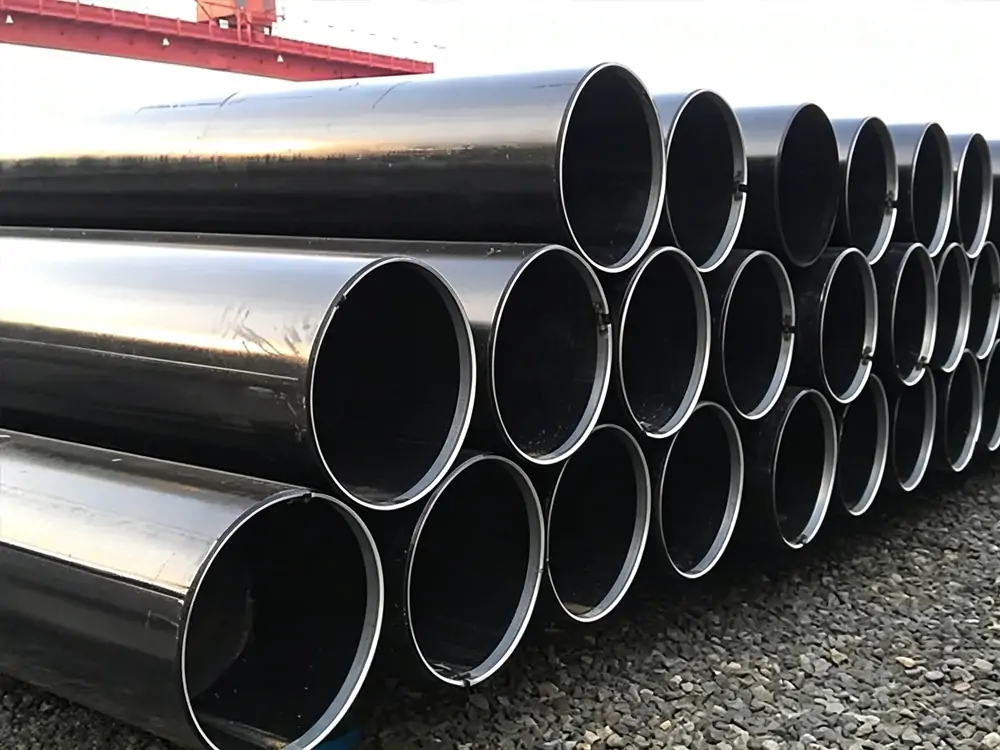
Importing steel pipes into Australia isn’t a single-step process. Border officials can reject steel pipes if you don’t know the Australian rules and regulations. Therefore, you should be aware of and comply with all applicable Australian standards to facilitate entry into the Australian market. One key method or certificate is the Mill Test Certificate….
12
Settembre
Settembre
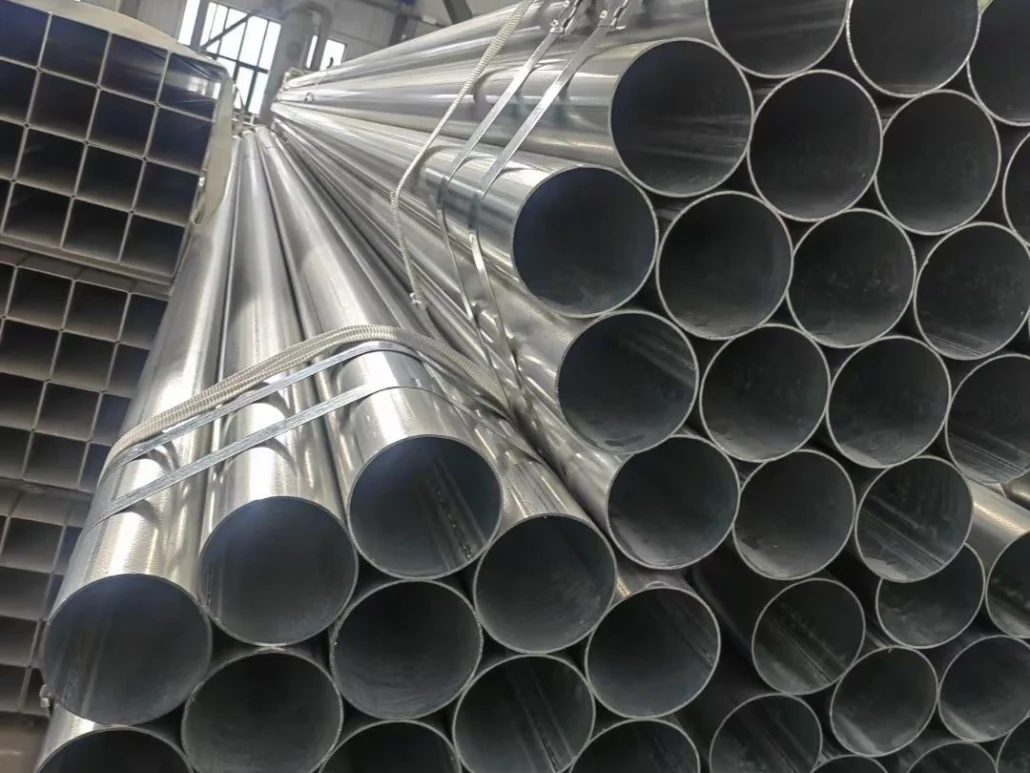
Australia is one of those countries that implement strict rules and regulations on steel products. They have a list of rules that manufacturers, importers, exporters, or contractors must comply with at all times. This means choosing steel products isn’t just about price. ACRS-certified sources must verify them and demonstrate compliance with all Australian standards. …
08
Settembre
Settembre
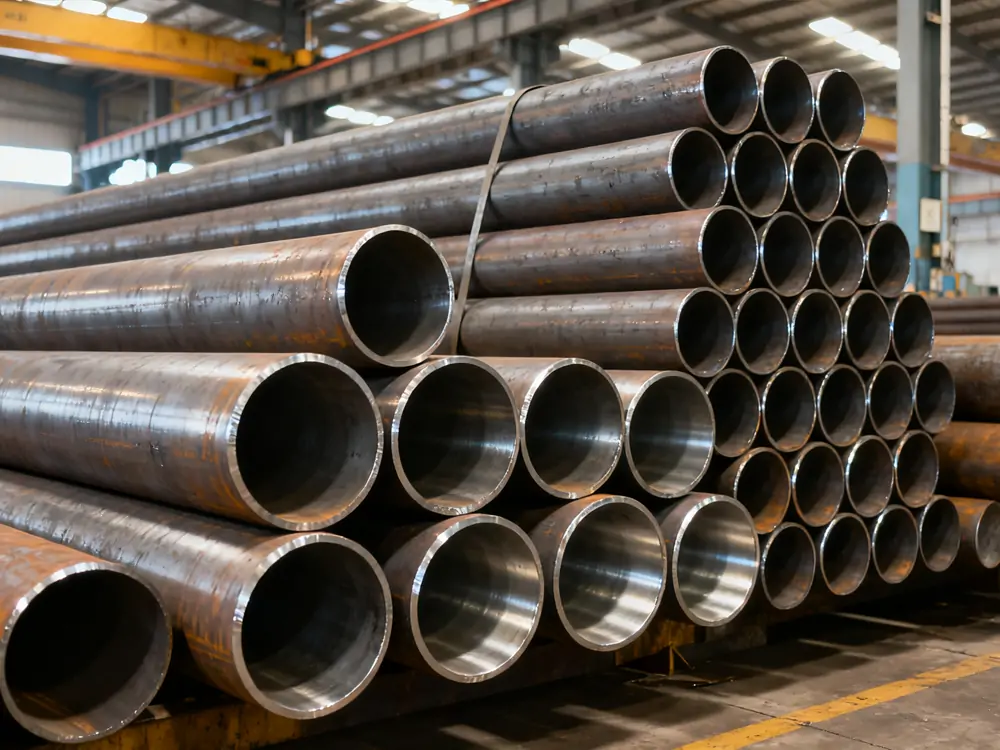
Australian construction, infrastructure, mining, and industrial sectors rely on hollow structures. When buying steel for construction projects, engineers often choose between two main grades: AS1163 C350 and AS1163 C350L0. They look similar in features but have a few key differences. You also need to consider how to choose the best one for your project….
06
Agosto
Agosto
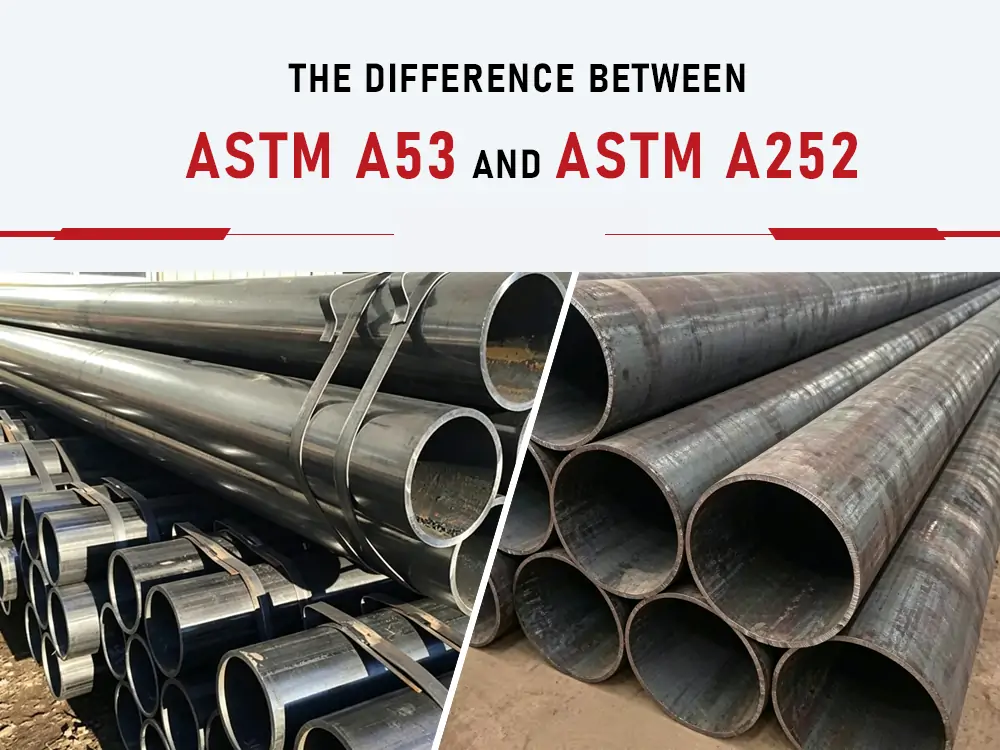
Steel pipes are useful in many industries and construction applications. Some of them are used to transfer water, gas, or steam. Others are used to support heavy buildings and bridges that are built deep underground. Since these are different purposes, pipe makers use different standards for their production. ASTM International created standards to help builders…
07
Luglio
Luglio
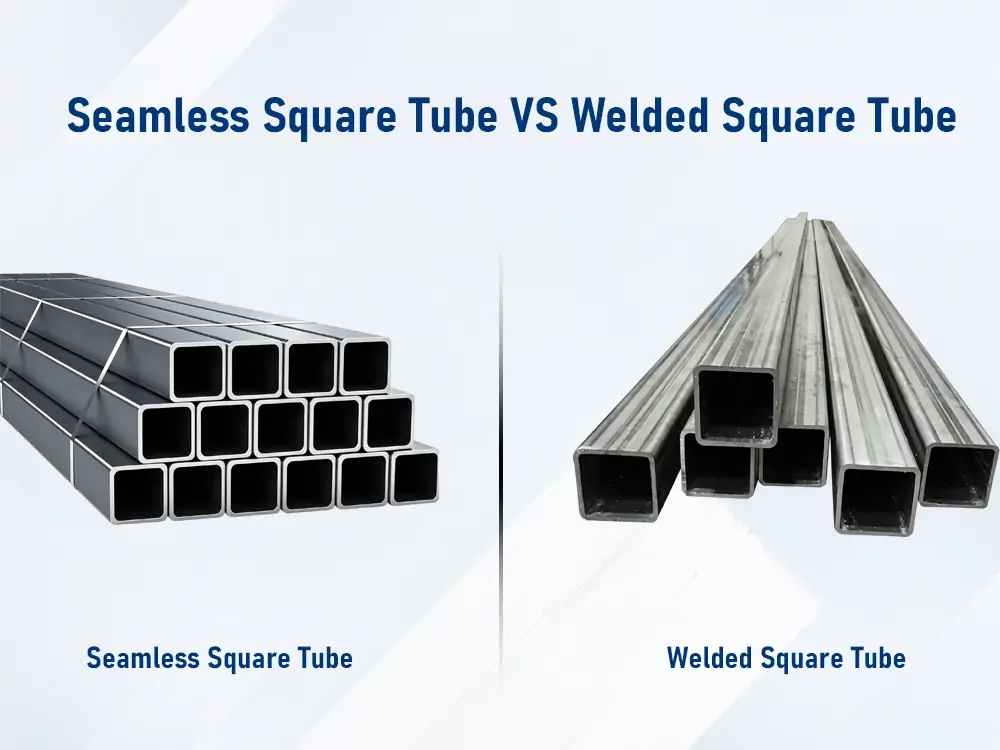
Introduction There are two categories of square steel tubes: seamless and welded. These tubes are widely used in industrial and structural applications. Their manufacturing processes are quite different. Their differentiation can also be in terms of their mechanical properties and cost structure. Considering the load-bearing ability of these tubes is crucial when choosing the appropriate…
05
Giugno
Giugno
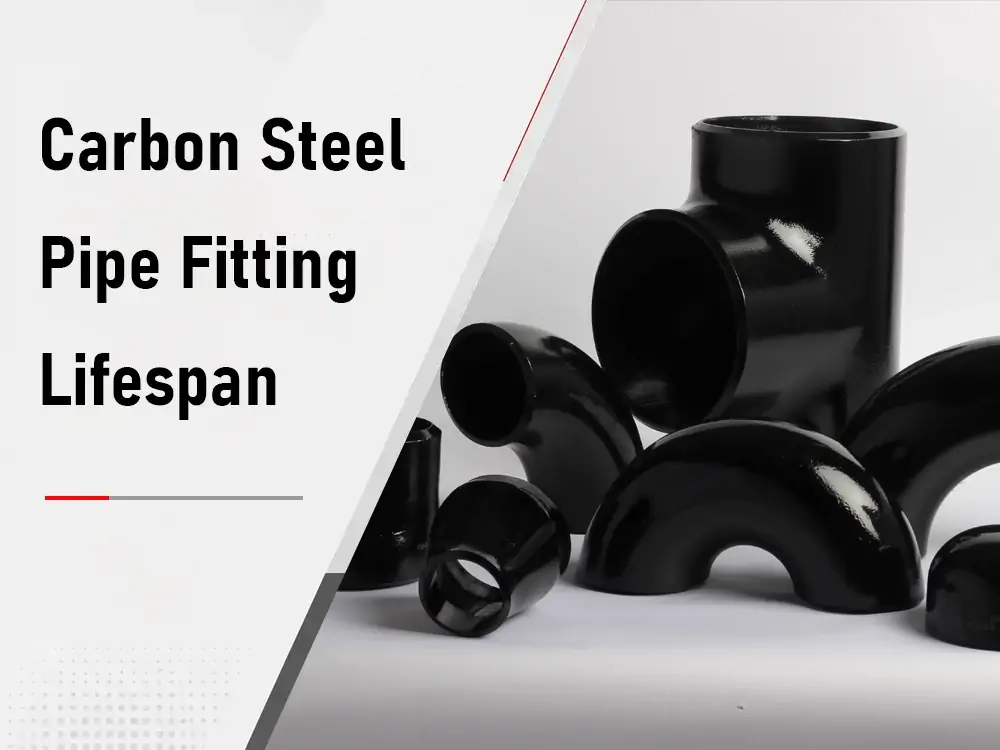
Introduction Carbon steel pipe can be used in many applications at home and in industries. People use carbon steel pipes in water, gas and construction work. Each carbon steel pipe is fitted with fittings that ensure a safe, constant flow. The question many users would ask is how long a carbon steel pipe is in…
02
Giugno
Giugno
In Australia’s booming construction and infrastructure sectors, compliance, safety, and reliability are non-negotiable core elements. For engineering project managers and procurement specialists, finding high-quality structural steel requires a partner who knows local standards well and ensures strict compliance. UNIASEN delivers top-tier steel tube products that fully meet every requirement of the Australian market. Authoritatively Certified…
13
Maggio
Maggio
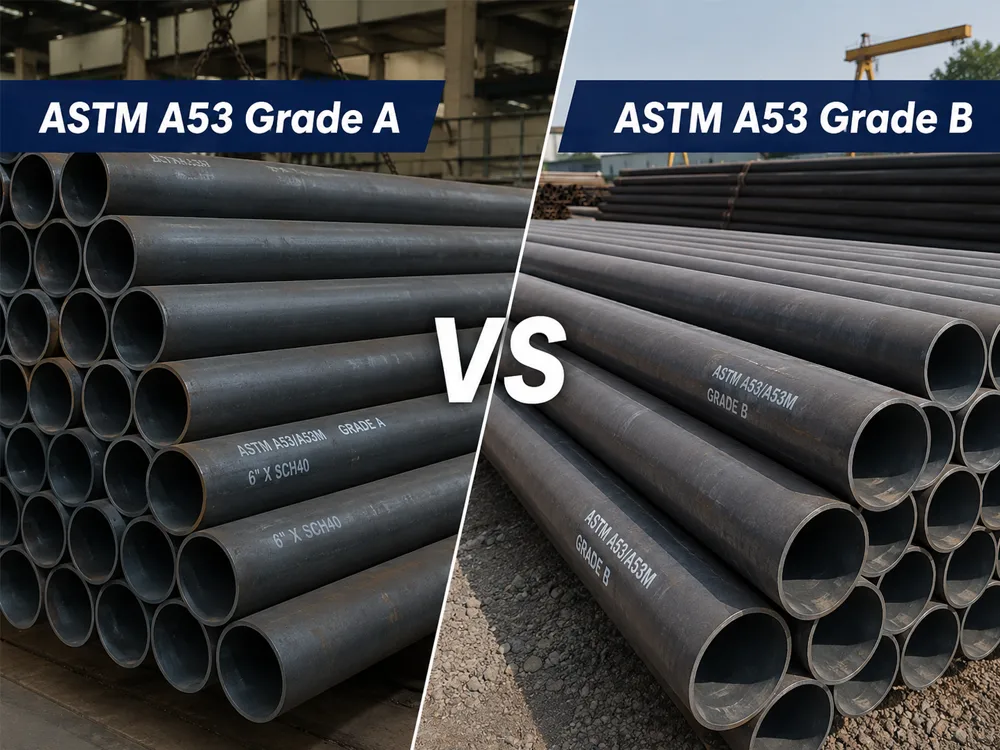
Introduction A common standard for carbon steel pipes is ASTM A53. Its wide use is in pressure and mechanical applications. ASTM A53 pipes perform ideally in transporting different types of gases and fluids safely in industries and utility systems. These fluids and gases may include steam, water, natural gas, and compressed air. In heating systems…
24
Apr
Apr
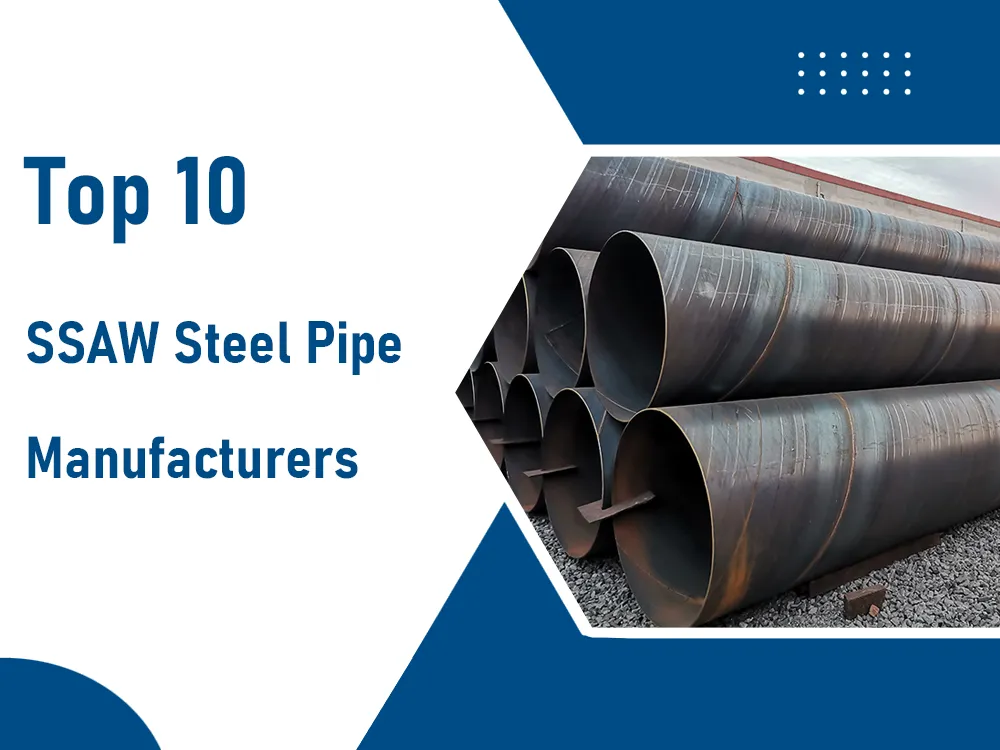
Introduction SSAW steel pipe is a major part of construction and transportation infrastructure. SSAW is a short form for Spiral Submerged Arc Welded. When a worker is making this kind of pipe, they spiral the steel and then weld both ends together. This helps a factory to make large, tough pipes. There are many things…
21
Apr
Apr
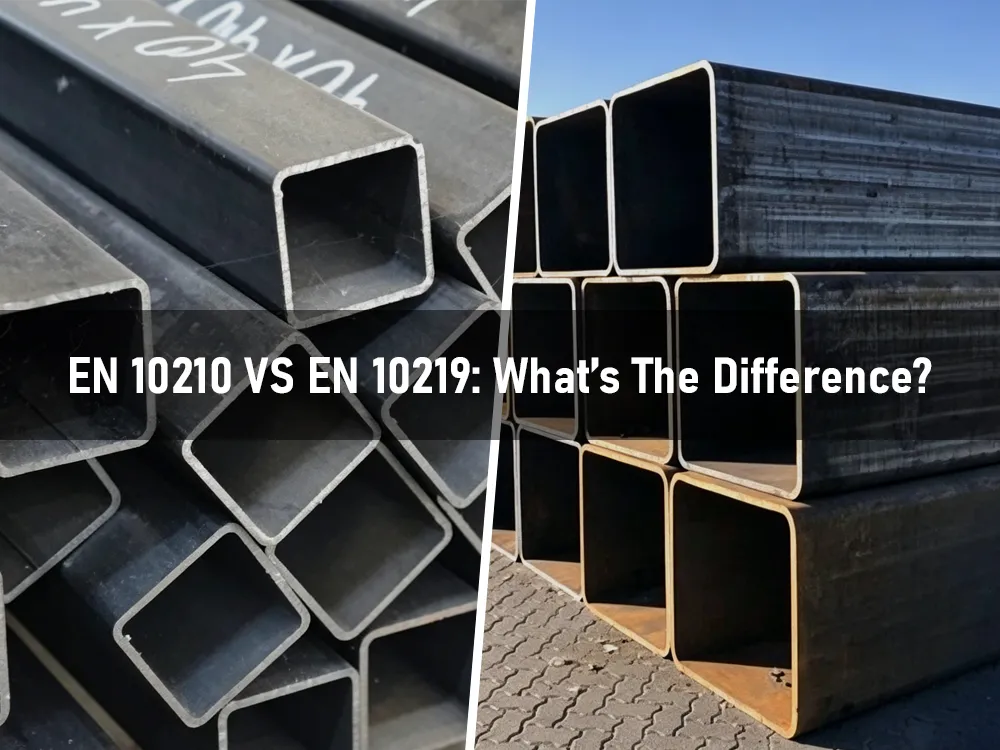
Introduction When selecting hollow structural steel tubes in accordance with European standards, a critical understanding of these standards will help you make informed choices to achieve optimal performance. EN 10210 and EN 10219 are two widely used standards in the European market. These standards specify the technical delivery conditions for hot-finished and cold-formed hollow sections….
09
Apr
Apr
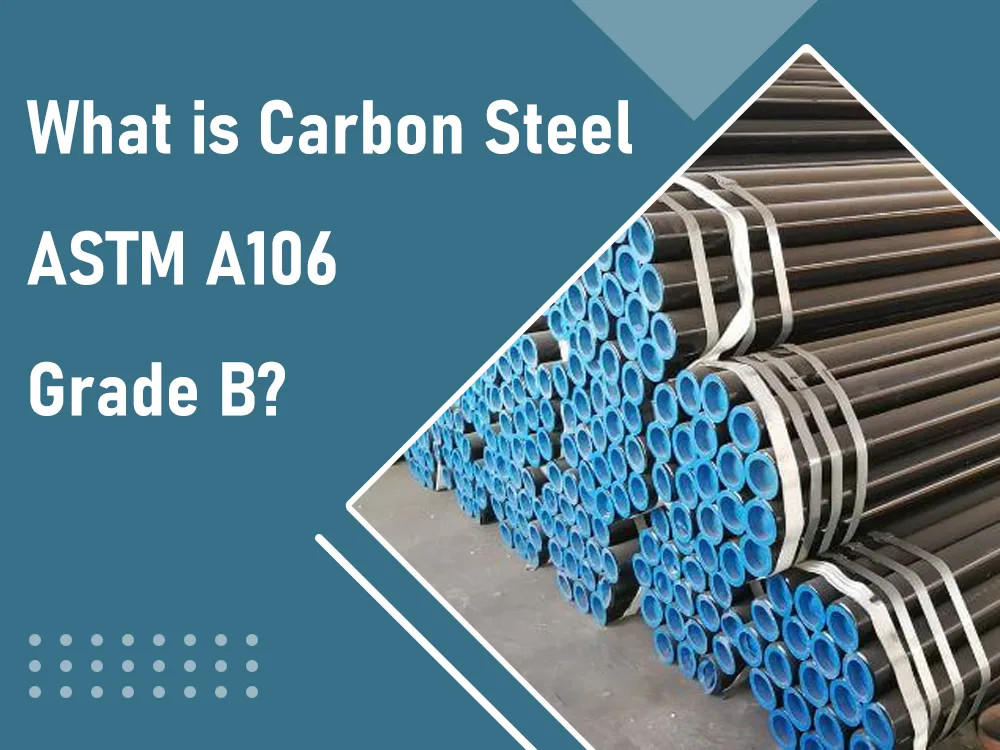
Introduction The standard specification for seamless carbon steel pipe is known as ASTM A106. The most common grade specified in the ASTM A106 standard is grade B. It is the most widely used amongst all grades (A, B, and C). This material is used in those systems where consistent performance is required. This standard is…
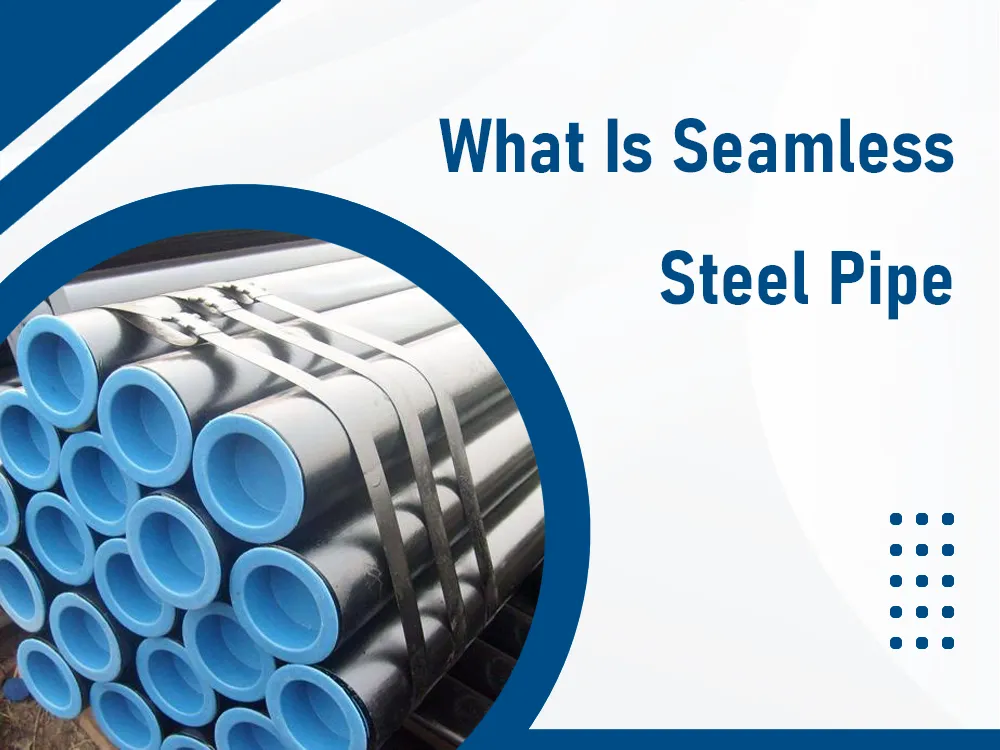
27
Mar
Mar
Introduction In modern industry, steel pipes are an important part of infrastructure. Among pipe types, seamless steel pipes offer strength and reliability. And they are even highly resistant to pressure. Therefore, they are widely used. The demand for seamless steel pipes is high across industries. Especially in chemical engineering and construction engineering. This article offers…
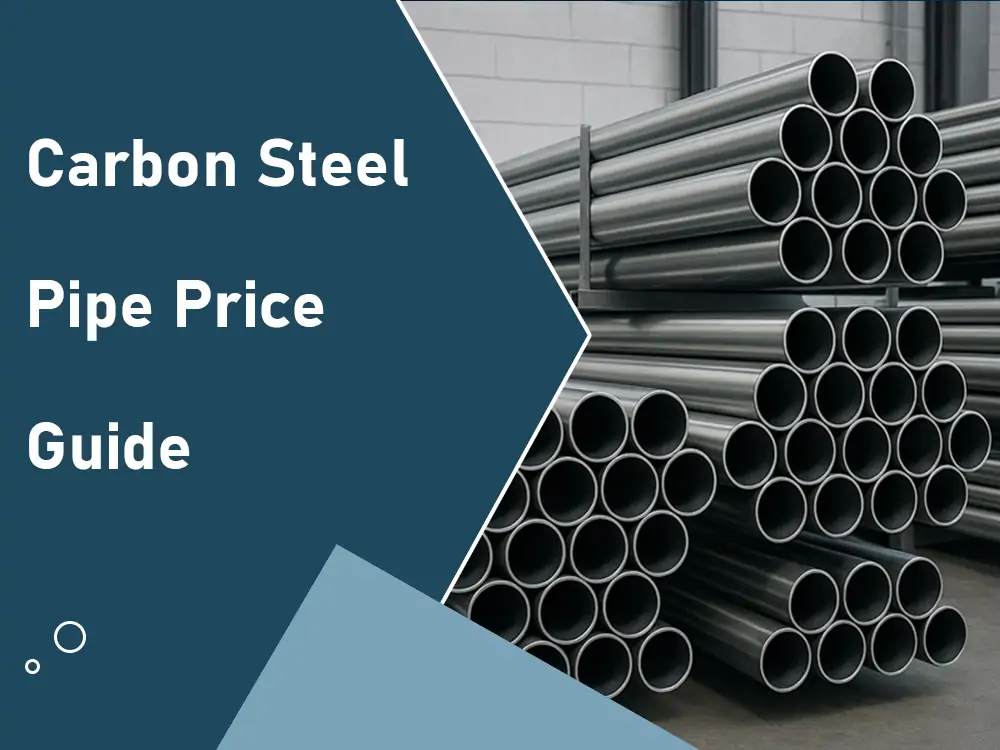
18
Mar
Mar
CS pipes are known for their structural integrity, pressure resistance, durability, and cost-effectiveness. The carbon steel pipe market is experiencing robust growth. It is driven by rising global demand, mainly at the industrial level, as the oil & gas, construction, and other industrial sectors expand. With this global shift, the prices of carbon steel pipes…
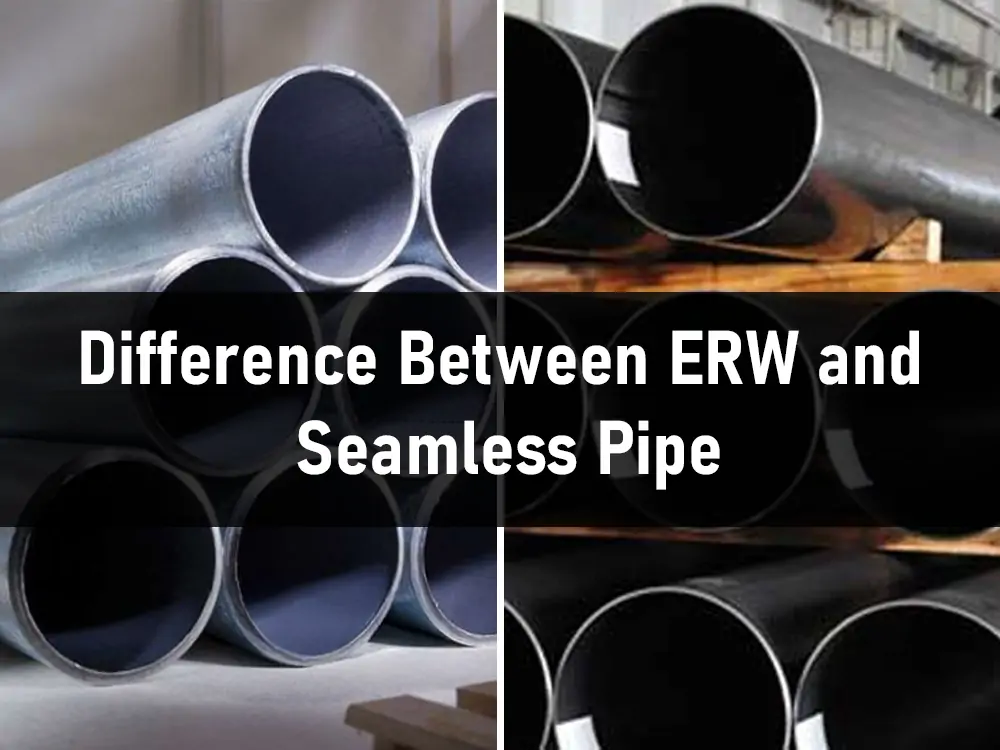
24
Febbraio
Febbraio
Introduction There are various processes for manufacturing pipes across industries. The two most popular pipe manufacturing techniques are seamless and electric resistance welded (ERW). Construction, water transportation, and oil and gas are among the businesses that employ these pipes. There are similarities between these pipes, including their shapes and functions. But there are certain differences,…
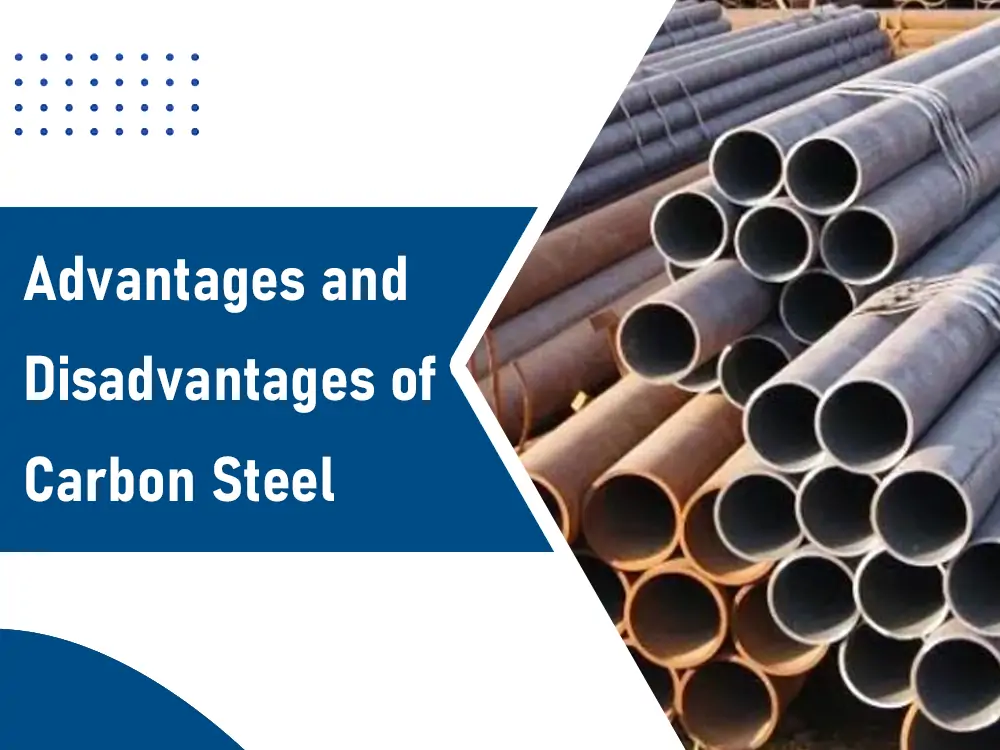
10
Febbraio
Febbraio
Introduction Carbon steel is widely used around the world these days. But only a small number of people know what it is and why it is very important. You usually find it in buildings, bridges, pipes, tools, vehicles, and even cookware. This article explains what carbon steel is, its advantages, and its disadvantages. It lastly…

05
Gennaio
Gennaio
Introduzione I rivestimenti svolgono un ruolo fondamentale nella protezione dei sistemi di condotte. Le condutture trasportano carburanti, acqua, prodotti chimici e fluidi industriali che fanno funzionare città e industrie. A causa della loro struttura sotterranea, sono costantemente esposti ad ambienti difficili, che portano a corrosione, abrasione, ruggine e altro ancora. Questo può indebolire la struttura e la riparazione può essere costosa. ...
22
Dicembre
Dicembre
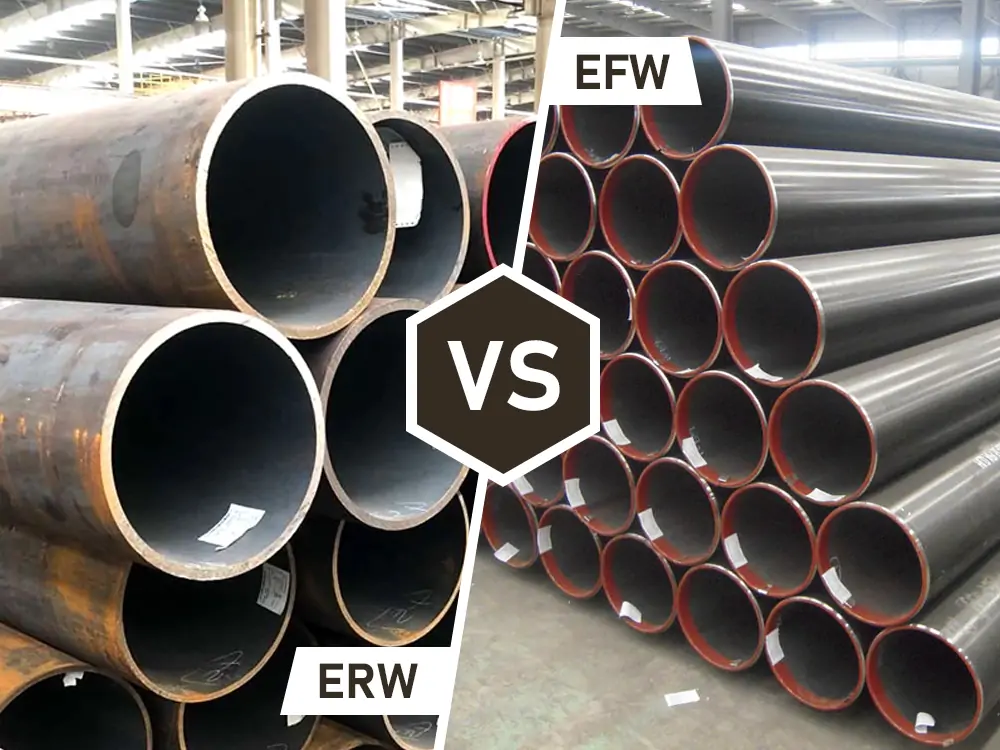
Le differenze tra le varietà di tubi saldati sono dovute principalmente ai diversi processi di produzione. Nel panorama della produzione e della saldatura dei tubi, due metodi di produzione primeggiano: ERW ed EFW, che producono rispettivamente tubi ERW e EFW. I due metodi possono confondere a causa dei nomi simili e della saldatura elettrica coinvolta in entrambi i processi di produzione. Tuttavia,...

19
Dicembre
Dicembre
Introduzione I tubi in acciaio saldati sono ampiamente utilizzati in vari settori industriali. Si tratta di tubi, detti anche semplicemente saldati, che presentano cuciture sulla superficie quando le lamiere o i nastri d'acciaio vengono arrotolati in forme cilindriche. I metodi di produzione semplici, come ERW e SAW, sono altamente efficienti e convenienti. Possono produrre tubi per...
10
Dicembre
Dicembre
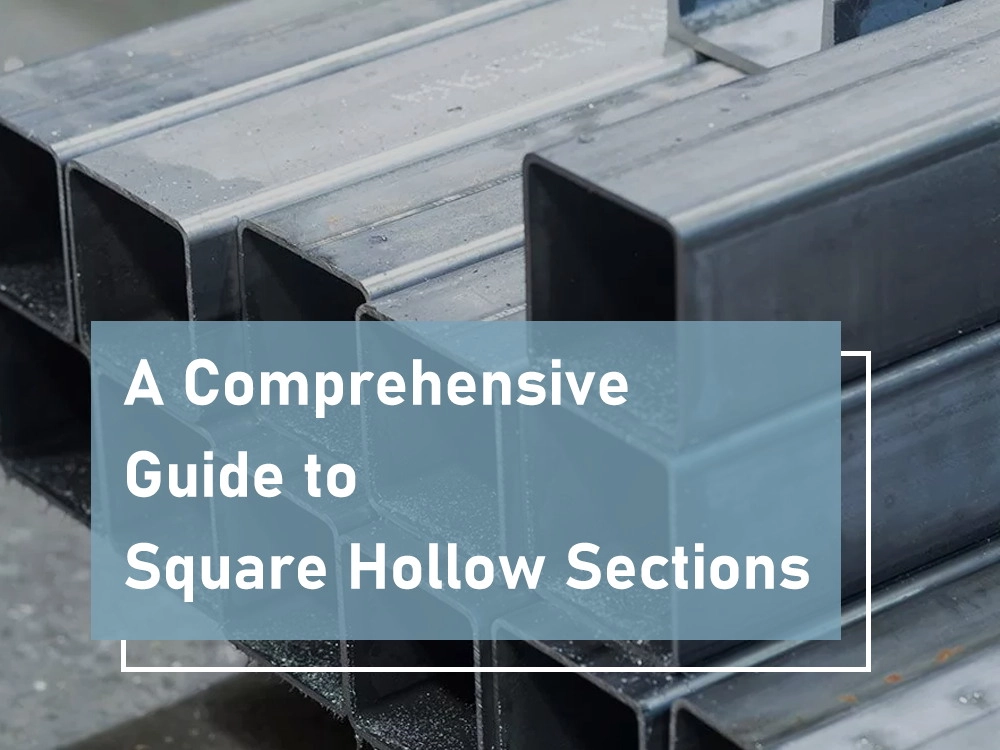
Introduzione Il riferimento standard del profilato cavo quadrato è l'acciaio scatolato o l'acciaio tubolare. L'aspetto estetico dei tubi in acciaio li rende ideali per le costruzioni. Sono adatti alla produzione di strutture e macchinari in acciaio. Il produttore preferisce l'uso di sezioni strutturali cave. Potrebbero migliorare l'integrità strutturale, l'efficienza dei costi e...