
Australian construction, infrastructure, mining, and industrial sectors rely on hollow structures. When buying steel for construction projects, engineers often choose between two main grades: AS1163 C350 and AS1163 C350L0.
They look similar in features but have a few key differences. You also need to consider how to choose the best one for your project. Today we will dive deep into a comparison of the two grades and determine which one you should choose.
Understanding AS/NZS 1163 Hollow Sections
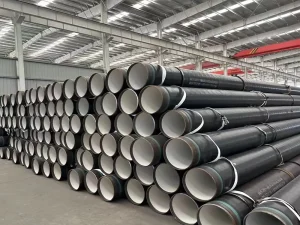
AS/NZS 1163 is the Australian and New Zealand standard that covers cold-formed steel structures. They include:
- Square Hollow Sections (SHS)
- Rectangular Hollow Sections (RHS)
- Circular Hollow Sections (CHS)
These hollow structures and steel products are widely used in:
- Commercial buildings
- Warehouses
- Industrial facilities
- Mining infrastructure
- Bridges
- Transport projects
- Steel fabrication works
These standards have a few requirements. The key focus is on the:
- Sifat mekanik
- Komposisi kimia
- Dimensional tolerances
- Proses manufaktur
- Testing and certification
What is an AS1163 C350 Hollow Section?
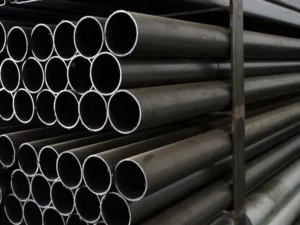
C350 Hollow Section is a steel hollow structure that follows the Australian and New Zealand AS1163 standards. It has a minimum yield strength of 350 MPa and is the best choice for applications requiring strength, availability, and cost-effectiveness.
C350 hollow section is available in:
- Square Hollow Sections (SHS)
- Rectangular Hollow Sections (RHS)
- Circular Hollow Sections (CHS
Key Benefits
Hollow sections offer several key features and benefits.
- High strength-to-weight ratio
- Excellent weldability
- Widely available in Australia
- Cost-effective for most construction projects
- Fully compliant with AS/NZS 1163 requirements
Common Applications
It is a primary choice for the following applications.
- Commercial buildings
- Warehouses
- Agricultural structures
- Steel fabrication projects
- Mezzanine floors
- General structural frames
What is an AS1163 C350L0 Hollow Section?
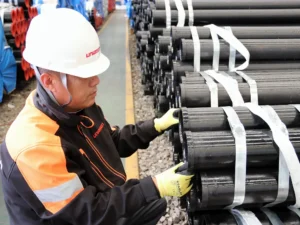
C350L0 is also a steel hollow structure with the same strength as the standard C350, but with an additional L0. This L0 indicates the impact toughness and helps explain which impact tests it has passed.
It shows it has passed the Charpy V-Notch Impact Test at 0°C.
Key Benefits
The different key benefits of this hollow structure include:
- Verified impact toughness
- Better resistance to brittle fracture
- Suitable for demanding environments
- Often required by infrastructure specifications.
- Improved confidence in structural performance
Common Applications
C350L0 is widely used in the following applications.
- Bridges
- Mining infrastructure
- Transport projects
- High-wind structures
- Government-funded projects
- Critical engineering applications
C350 vs C350L0: 7 Key Differences
C350 and C350L0 share several differences. We have sorted out seven key differences between the two materials.
|
Comparison Factor
|
AS1163 C350
|
AS1163 C350L0
|
| Kekuatan Hasil | 350 MPa minimum | 350 MPa minimum |
| Kekuatan Tarik | 430 MPa minimum | 430 MPa minimum |
| Charpy Impact Testing | Not required | Mandatory |
| Impact Test Temperature | N/A | 0°C |
| Impact Toughness Certification | No | Ya. |
| Typical Applications | General construction and fabrication | Infrastructure and critical structures |
| Resistance to Brittle Fracture | Standar | Higher verified toughness |
| Project Specification Acceptance | General projects | Often required for bridges and government projects |
| Mill Test Certificate Requirements | Standard mechanical and chemical reports | Includes impact test results |
| Biaya | Lower | Slightly higher |
| Availability | Widely stocked | May require advance ordering |
| Risk of Project Rejection | Higher if C350L0 is specified | Lower when C350L0 is required |
Impact Testing Requirements
Impact testing assesses the strength and durability of steel structures under stress. Impact testing is the primary test here.
C350 doesn’t require impact testing.
For example:
- No mandatory Charpy impact test
- Strength-focused certification
- Suitable for general structural use
C350L0 is famous for its additional testing process and impact resistance. It may pass:
- Mandatory Charpy impact testing
- Additional toughness verification
- Designed for critical applications
Low-Temperature Performance
Low-temperature performance refers to performance at 0°C or lower.
C350 doesn’t have mandatory low-temperature testing, such as:
- No certified low-temperature toughness
- Suitable for normal service environments
- Commonly used in standard construction projects.
C350L0 has to undergo and perform in the low-temperature testing process, such as:
- Tested at 0°C
- Better resistance to brittle fracture
- Suitable for colder operating conditions
Structural Reliability Under Dynamic Loads
C350 or C350L0 may require high durability and must withstand vibrations and dynamic loads.
C350 is ideal for the following conditions.
- Suitable for static structural loads
- Performs well in conventional buildings
- Common choice for warehouses and sheds
C350L0 offers the following features under dynamic load conditions.
- Better energy absorption capability
- Improved performance under dynamic loading
- Preferred for bridges and infrastructure projects
Project Specification Compliance
Many buyers assume they can use both grades interchangeably, but that’s technically incorrect. Project specifications and compliance determine whether you can use a specific grade.
For example, C350 is:
- Accepted for general structural projects
- Commonly specified in commercial construction.
- Usually sufficient when impact testing is not required
C350L0 is the best choice in the following conditions.
- Frequently specified in infrastructure projects.
- Often mandatory for government contracts
- Required when toughness certification is specified
Mill Test Certificate (MTC) Requirements
Mill test certificates can be used to test both materials further. But the requirements for the C350L0 are driven more by additional testing and processes.
C350 has the following MTC testing requirements.
- Mechanical property reports
- Chemical composition reports
- Standard AS/NZS 1163 certification
C350L0 must meet the following requirements.
- All C350 documentation
- Charpy impact test results
- Additional toughness verification records
Typical Applications
Where will you use both materials? Not every material suits every condition. For applications where strength and impact resistance are essential, choose C350L0, while C350 is ideal for strength applications without impact testing requirements.
C350 is ideal for building
- Warehouses
- Commercial buildings
- Agricultural structures
- General fabrication
- Industrial buildings
C350L0 offers different applications and is the best option for:
- Bridges
- Mining infrastructure
- Transport projects
- High-wind structures
- Critical public infrastructure
Cost and Availability
Cost and availability can determine whether you should consider it and which one to choose.
C350 has:
- Biaya lebih rendah
- Widely stocked
- Faster procurement times
- Ideal for budget-sensitive projects
C350L0 is ideal and has:
- Slightly higher price
- Additional quality control costs
- May require longer lead times
- Better suited for safety-critical applications
Which One Should You Choose?
The right grade depends on your project. Understand your requirements and choose the grade that best fits.
Choose C350 in the following cases.
- You are building warehouses or commercial structures.
- The project specification does not require impact testing.
- Cost efficiency is a priority.
- The structure will operate under normal service conditions.
- The application is considered non-critical.
C350L0 is the best option in the following conditions.
- Engineering drawings specifically require C350L0.
- The project involves bridges or transport infrastructure.
- The structure is exposed to high wind loads.
- The project is in mining or heavy industrial environments.
- Government or infrastructure standards require impact-tested steel.
- You need documented Charpy impact test results.
Mistakes to Avoid When Choosing The Steel Hollow Section
When choosing a steel hollow section, you should avoid the critical mistakes listed below.
- Assuming C350 and C350L0 are the same.
- Ignoring L0 impact toughness requirement.
- Failing to check Charpy Impact Test results.
- Selecting material based solely on the lowest price.
- Overlooking environmental conditions such as low temperatures, high winds, or dynamic loading.
Pertanyaan Umum
- Why does C350L0 cost more than C350?
C350L0 costs more than C350 because of additional testing and compliance requirements. High upfront costs can help avoid costly project rejections, rework, and compliance issues.
- How can I verify that a hollow section is truly C350L0?
You should request the mill test certificates in such a case that should show:
- AS/NZS 1163 grade designation
- Yield and tensile strength results
- Chemical composition analysis
- Charpy Impact Test results
- Test temperature (0°C)
- Impact energy values and compliance statement
- When should I choose C350L0 over standard C350?
Not every case calls for C350L0 over standard C350. Select it only in the following cases.
- Bridges and transport infrastructure
- Mining and heavy industrial facilities
- High-wind structures and towers
- Critical public infrastructure projects
- Low-temperature environments
- Projects requiring verified impact toughness
- Can C350 be used instead of C350L0?
No. If the project specifically mentions C350L0, then you can’t replace it with C350. Both have nearly the same features, but C350L0 offers better impact testing and compliance.
- What is the main difference between AS1163 C350 and C350L0 hollow sections?
The primary difference between the C350 and C350L0 is the impact certificates. C350L0 undergoes additional Charpy V-Notch impact testing at 0°C to verify its resistance to brittle fracture.
Kesimpulan
Choosing between the AS1163 C350 and C350L0 Hollow Sections isn’t just about strength. Specify your needs and choose the right option.
For general structural applications where impact testing isn’t important, C350 is often the best choice. For bridges, mining infrastructure, high-wind structures, government projects, and applications requiring verified low-temperature performance, C350L0 is typically the correct specification.
If you are looking for AS/NZS 1163-compliant SHS, RHS, or CHS products, contact UNIASEN. You should contact us for your projects with requirements, including:
- Grade (C350 or C350L0)
- Section type (SHS/RHS/CHS)
- Size and wall thickness
- Quantity required
- Surface finish
- Delivery location