
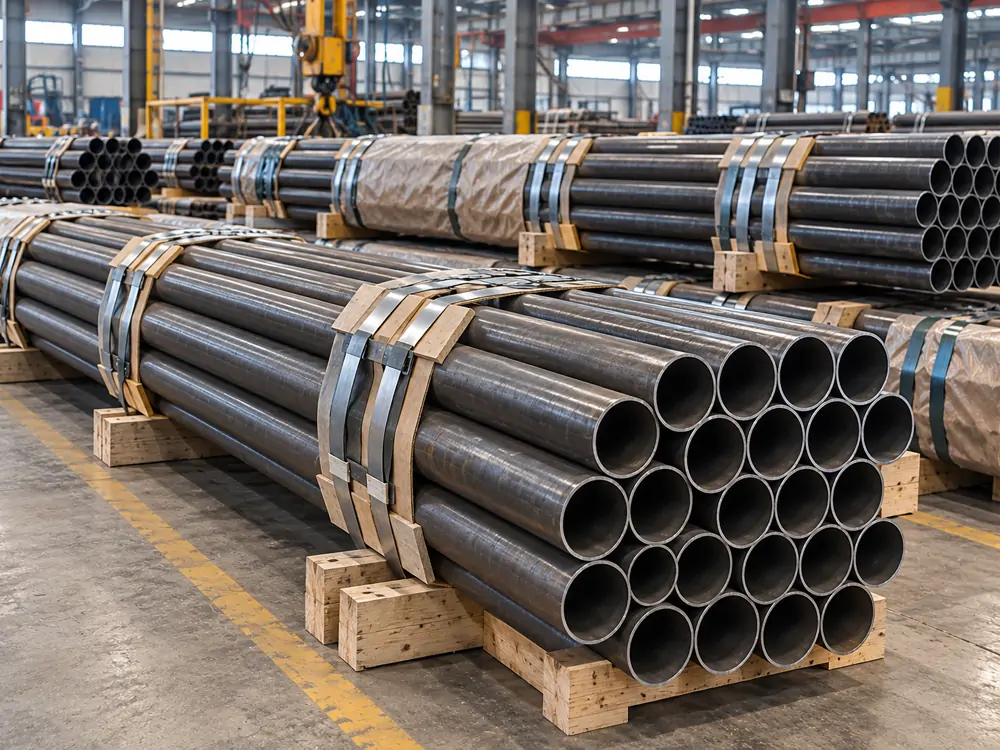
Australian steel stockists require steel that they can rely on. Low-quality steel can lead to delays and issues on the job site. ACRS-certified suppliers from China are a top choice for many buyers. ACRS inspects steel products before they reach the buyer. [1] This gives buyers greater confidence in the steel they purchase. Additionally, AS/NZS…
16
Oct
Oct
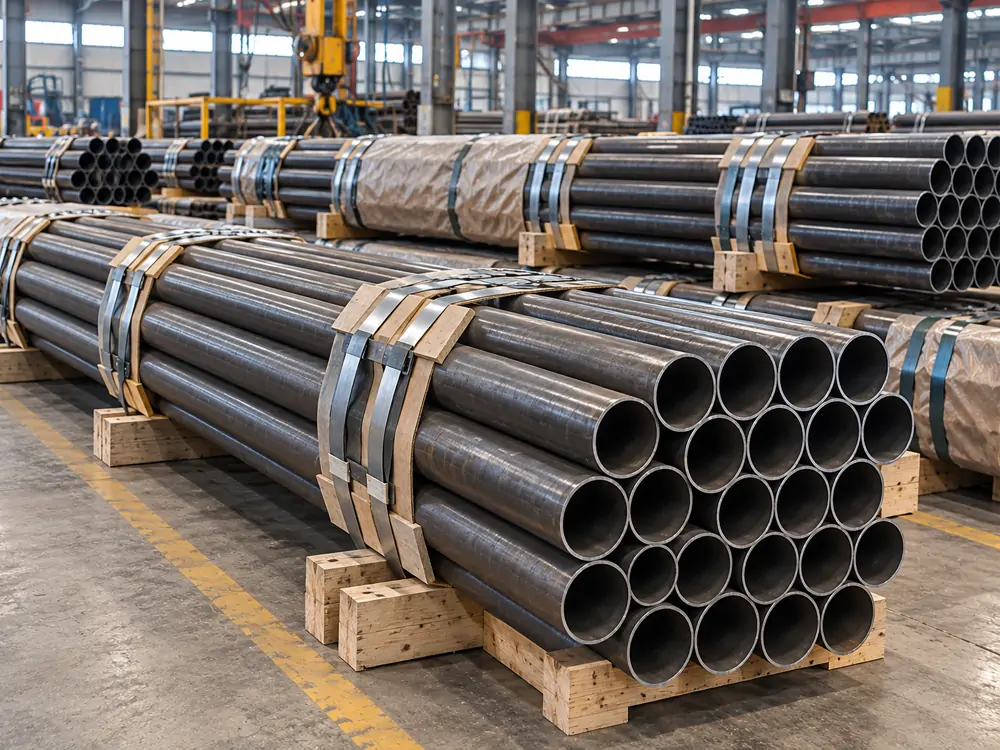
Steel products are highly impact-resistant and durable during transportation. But harsh conditions, such as marine shipping, can cause saltwater exposure and corrosion of steel products. Even brand-new steel products may experience high stress and damage during shipping. To avoid these issues during shipping, proper bundling and seaworthy packaging are essential. Today, we will discuss how…
16
Oct
Oct
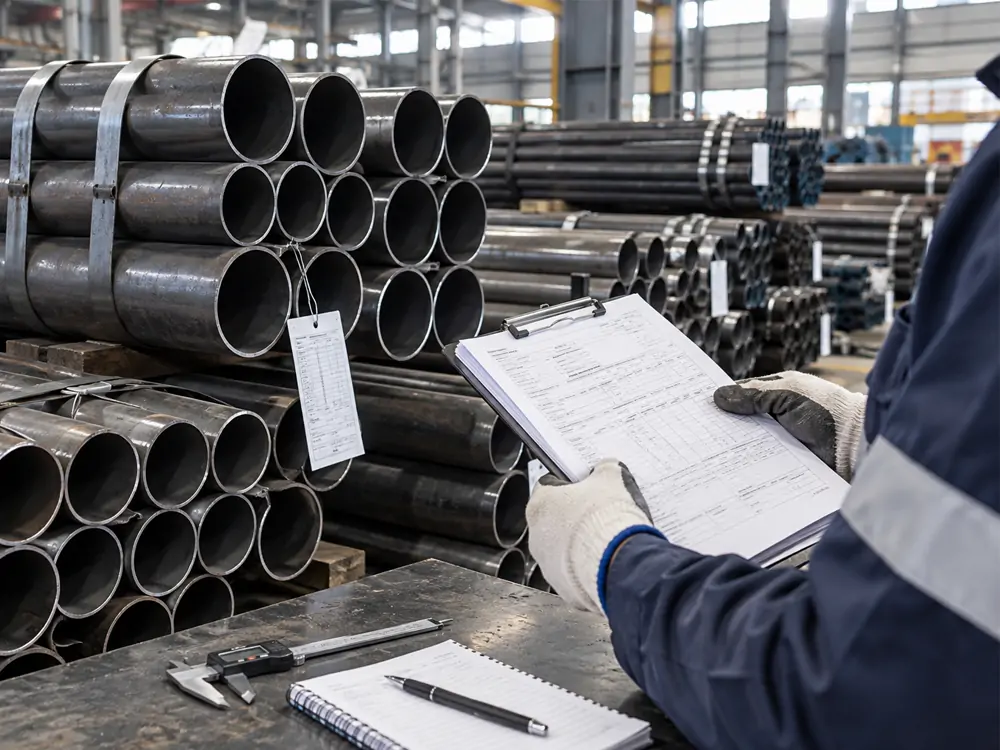
Australia and New Zealand have strict rules and regulations for importing steel pipes. ACRS certification and MTC compliance provide a seamless entry into the Australian market. Fake and fabricated certificates can cause issues with the clearance process. Therefore, you should verify the ACRS and MTC certificates. Today, we will walk you through the step-by-step ACRS…
20
Sep
Sep
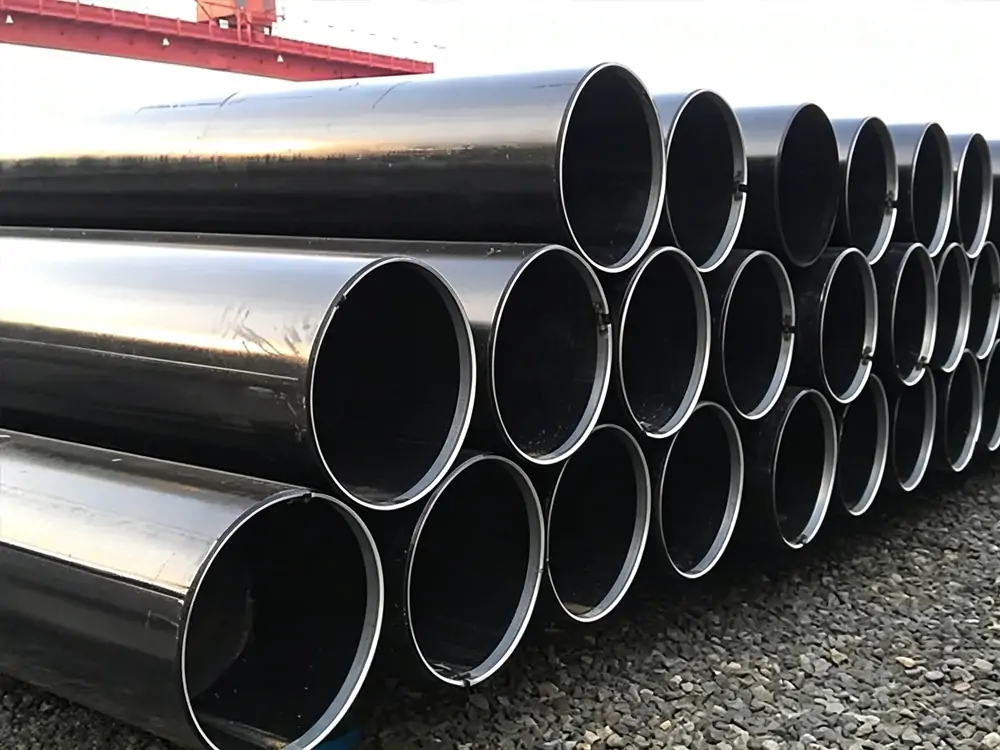
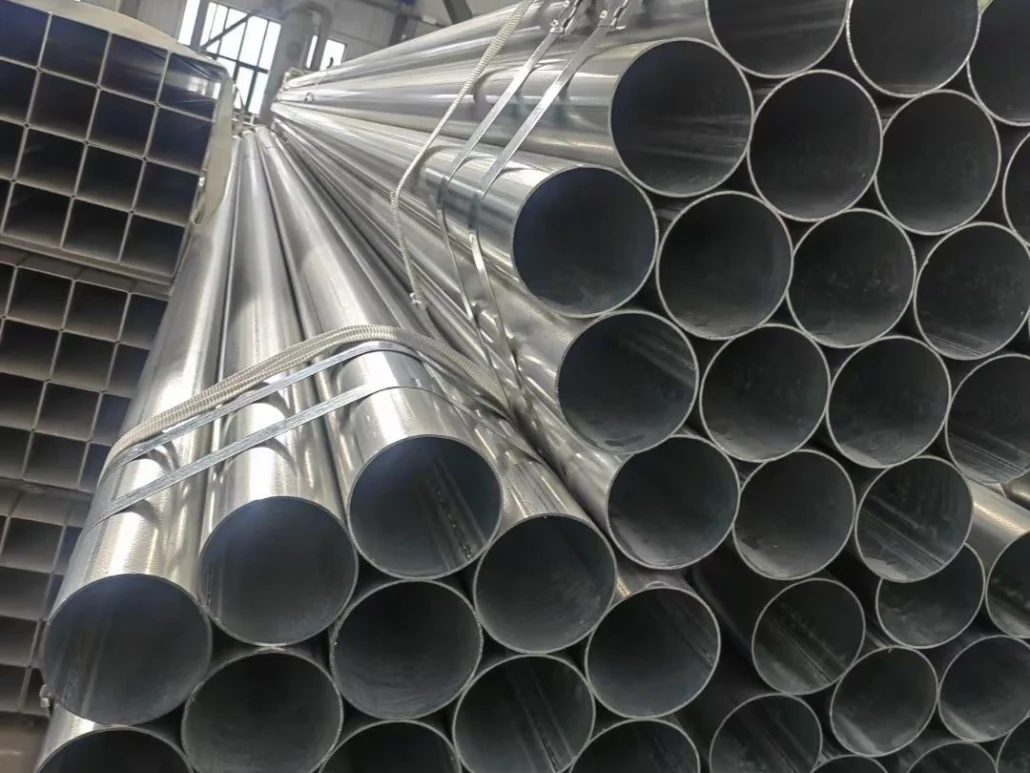
Importing steel pipes into Australia isn’t a single-step process. Border officials can reject steel pipes if you don’t know the Australian rules and regulations. Therefore, you should be aware of and comply with all applicable Australian standards to facilitate entry into the Australian market. One key method or certificate is the Mill Test Certificate….
12
Sep
Sep
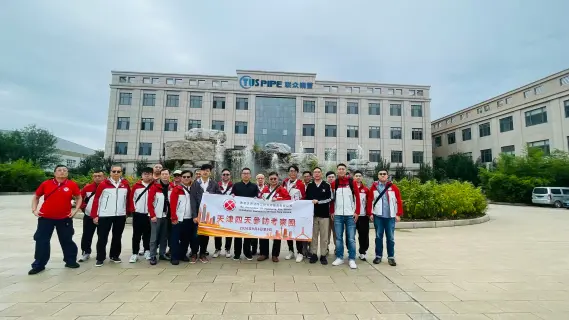
Australia is one of those countries that implement strict rules and regulations on steel products. They have a list of rules that manufacturers, importers, exporters, or contractors must comply with at all times. This means choosing steel products isn’t just about price. ACRS-certified sources must verify them and demonstrate compliance with all Australian standards. …
08
Sep
Sep
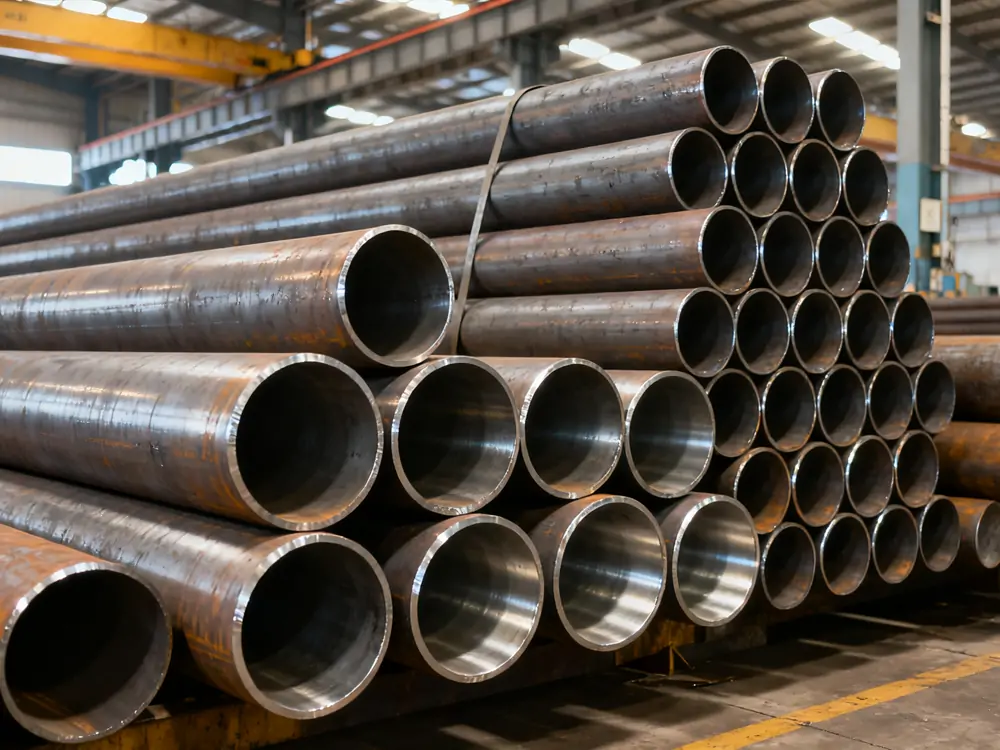
Australian construction, infrastructure, mining, and industrial sectors rely on hollow structures. When buying steel for construction projects, engineers often choose between two main grades: AS1163 C350 and AS1163 C350L0. They look similar in features but have a few key differences. You also need to consider how to choose the best one for your project….
06
Août
Août
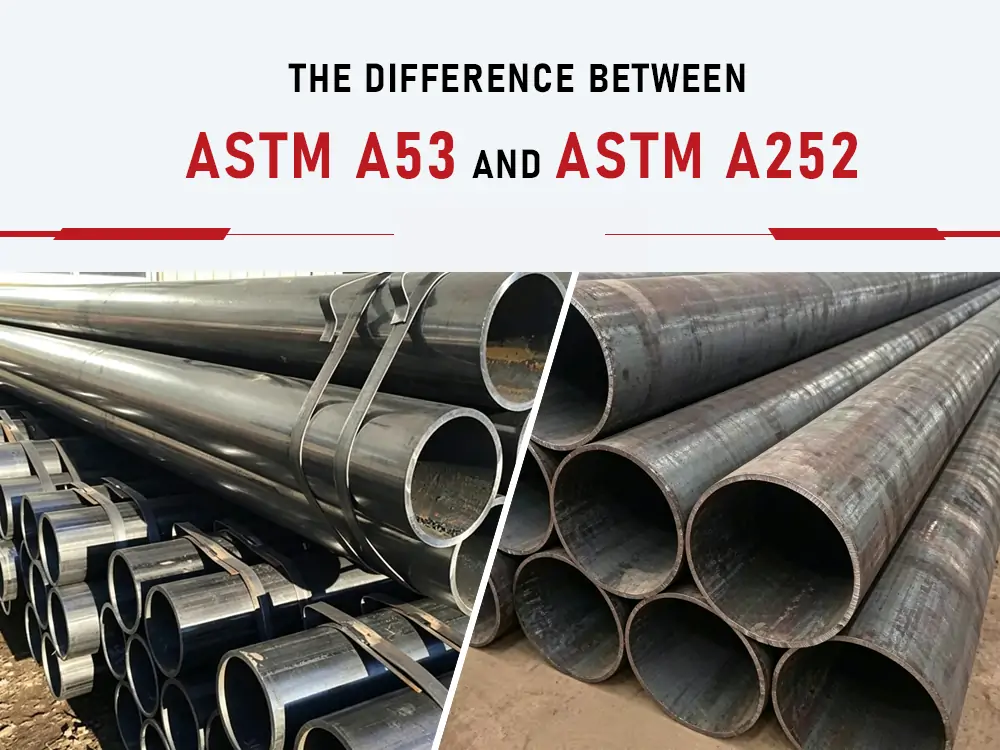
Steel pipes are useful in many industries and construction applications. Some of them are used to transfer water, gas, or steam. Others are used to support heavy buildings and bridges that are built deep underground. Since these are different purposes, pipe makers use different standards for their production. ASTM International created standards to help builders…
07
Jul
Jul
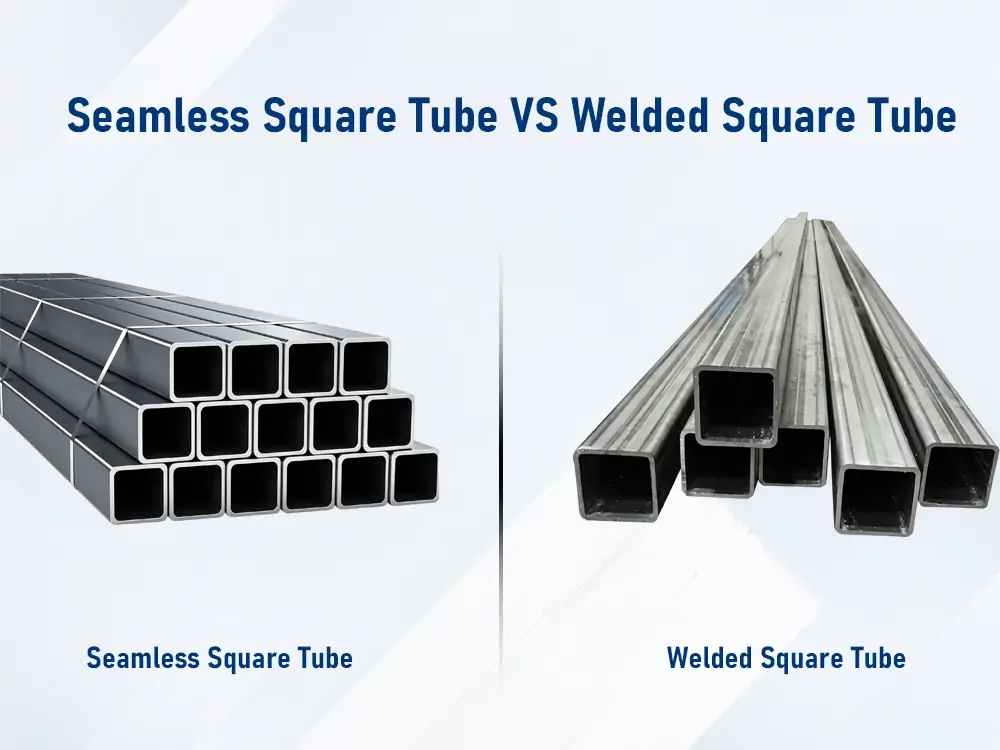
Introduction There are two categories of square steel tubes: seamless and welded. These tubes are widely used in industrial and structural applications. Their manufacturing processes are quite different. Their differentiation can also be in terms of their mechanical properties and cost structure. Considering the load-bearing ability of these tubes is crucial when choosing the appropriate…
05
Jun
Jun
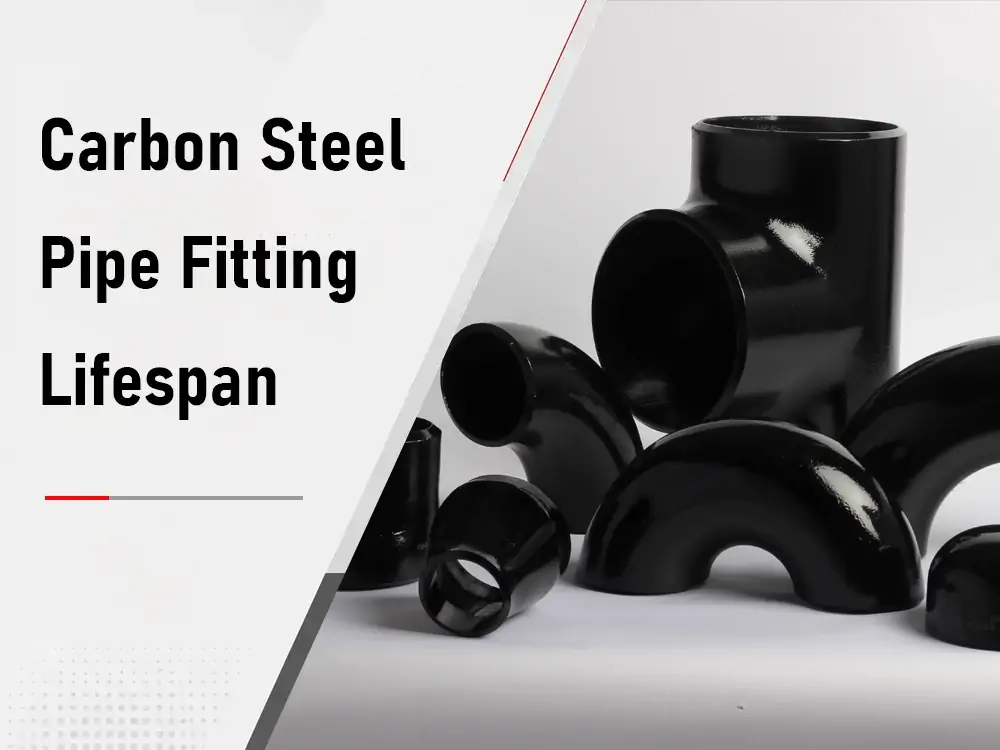
Introduction Carbon steel pipe can be used in many applications at home and in industries. People use carbon steel pipes in water, gas and construction work. Each carbon steel pipe is fitted with fittings that ensure a safe, constant flow. The question many users would ask is how long a carbon steel pipe is in…
02
Jun
Jun
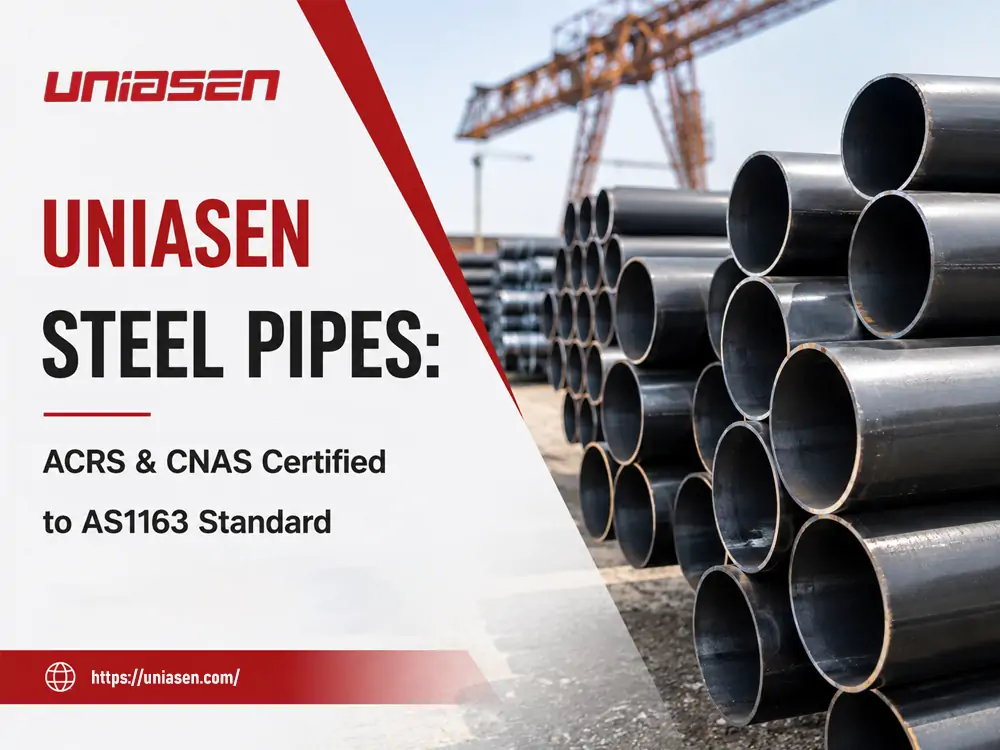
In Australia’s booming construction and infrastructure sectors, compliance, safety, and reliability are non-negotiable core elements. For engineering project managers and procurement specialists, finding high-quality structural steel requires a partner who knows local standards well and ensures strict compliance. UNIASEN delivers top-tier steel tube products that fully meet every requirement of the Australian market. Authoritatively Certified…
13
Mai
Mai
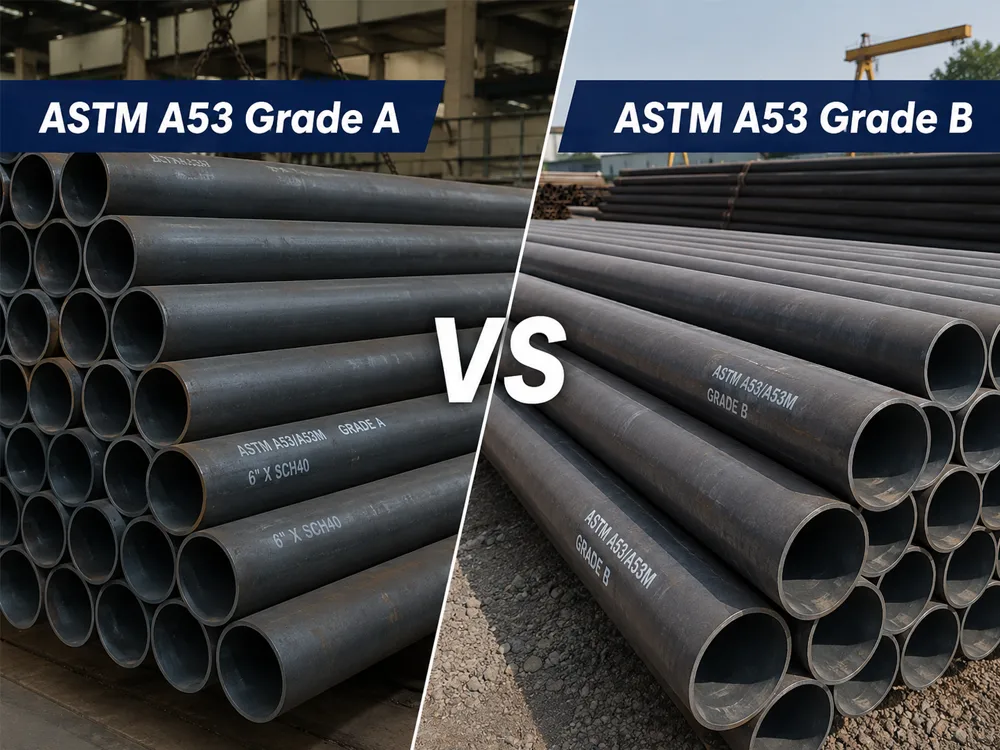
Introduction A common standard for carbon steel pipes is ASTM A53. Its wide use is in pressure and mechanical applications. ASTM A53 pipes perform ideally in transporting different types of gases and fluids safely in industries and utility systems. These fluids and gases may include steam, water, natural gas, and compressed air. In heating systems…
24
Avr
Avr
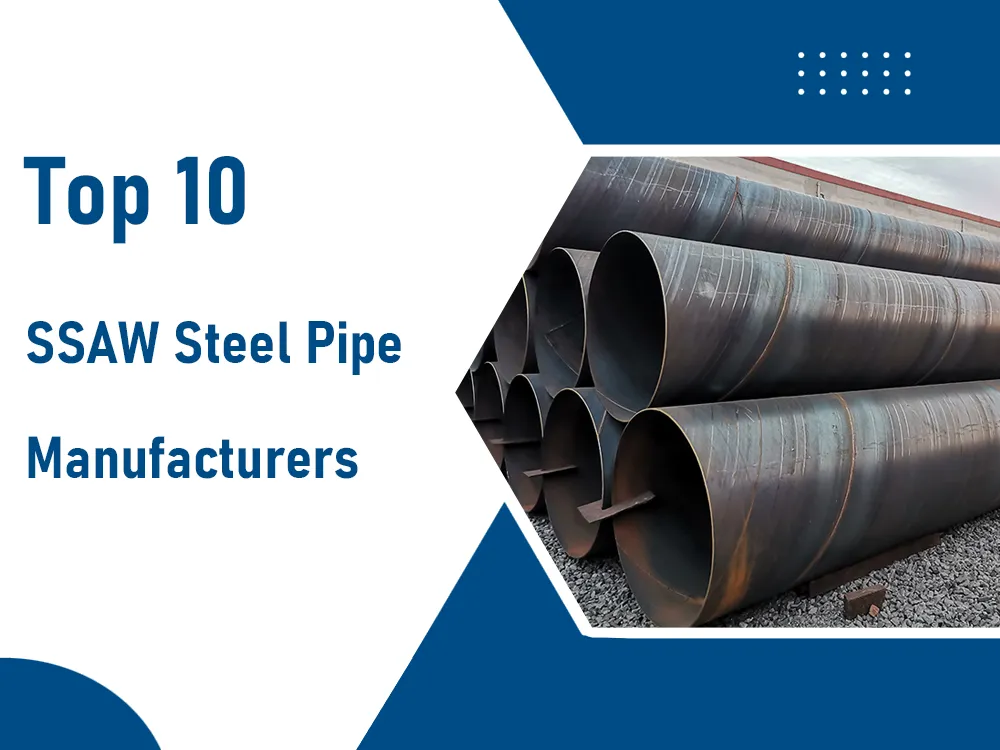
Introduction SSAW steel pipe is a major part of construction and transportation infrastructure. SSAW is a short form for Spiral Submerged Arc Welded. When a worker is making this kind of pipe, they spiral the steel and then weld both ends together. This helps a factory to make large, tough pipes. There are many things…
21
Avr
Avr
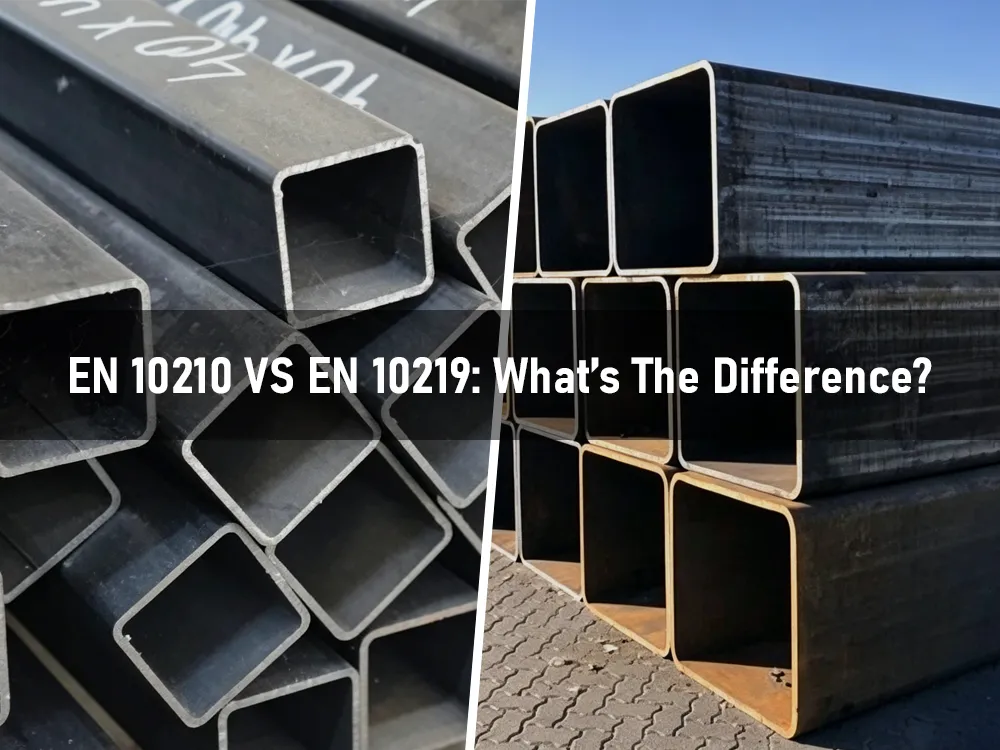
Introduction When selecting hollow structural steel tubes in accordance with European standards, a critical understanding of these standards will help you make informed choices to achieve optimal performance. EN 10210 and EN 10219 are two widely used standards in the European market. These standards specify the technical delivery conditions for hot-finished and cold-formed hollow sections….
09
Avr
Avr
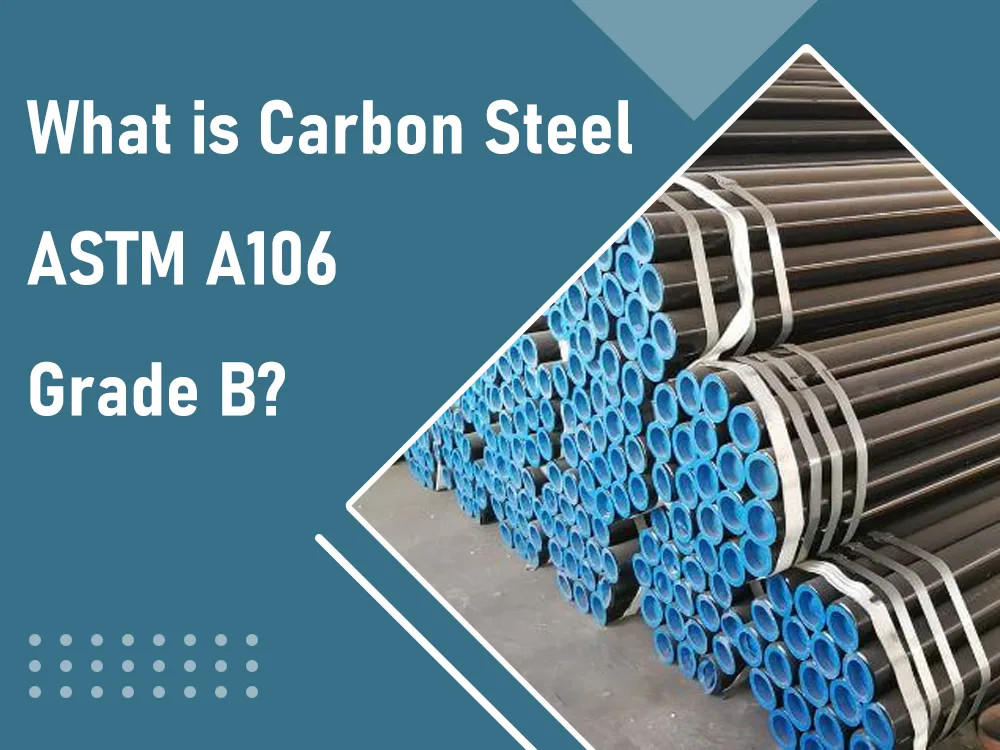
Introduction The standard specification for seamless carbon steel pipe is known as ASTM A106. The most common grade specified in the ASTM A106 standard is grade B. It is the most widely used amongst all grades (A, B, and C). This material is used in those systems where consistent performance is required. This standard is…
27
Mar
Mar
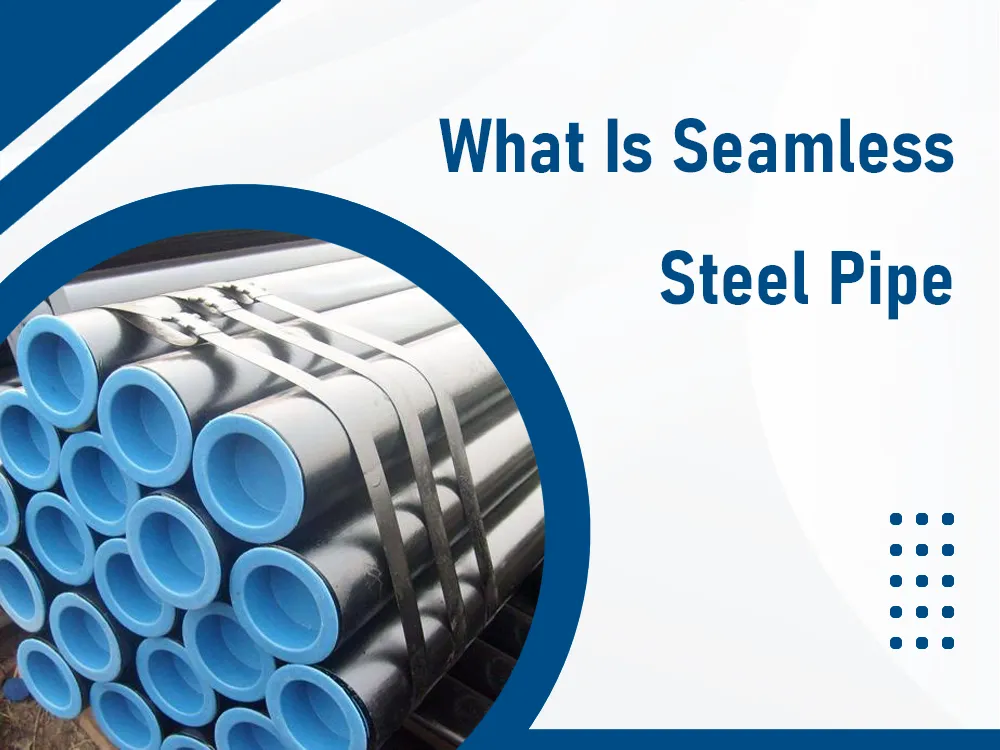
Introduction In modern industry, steel pipes are an important part of infrastructure. Among pipe types, seamless steel pipes offer strength and reliability. And they are even highly resistant to pressure. Therefore, they are widely used. The demand for seamless steel pipes is high across industries. Especially in chemical engineering and construction engineering. This article offers…
18
Mar
Mar
CS pipes are known for their structural integrity, pressure resistance, durability, and cost-effectiveness. The carbon steel pipe market is experiencing robust growth. It is driven by rising global demand, mainly at the industrial level, as the oil & gas, construction, and other industrial sectors expand. With this global shift, the prices of carbon steel pipes…
24
Fév
Fév
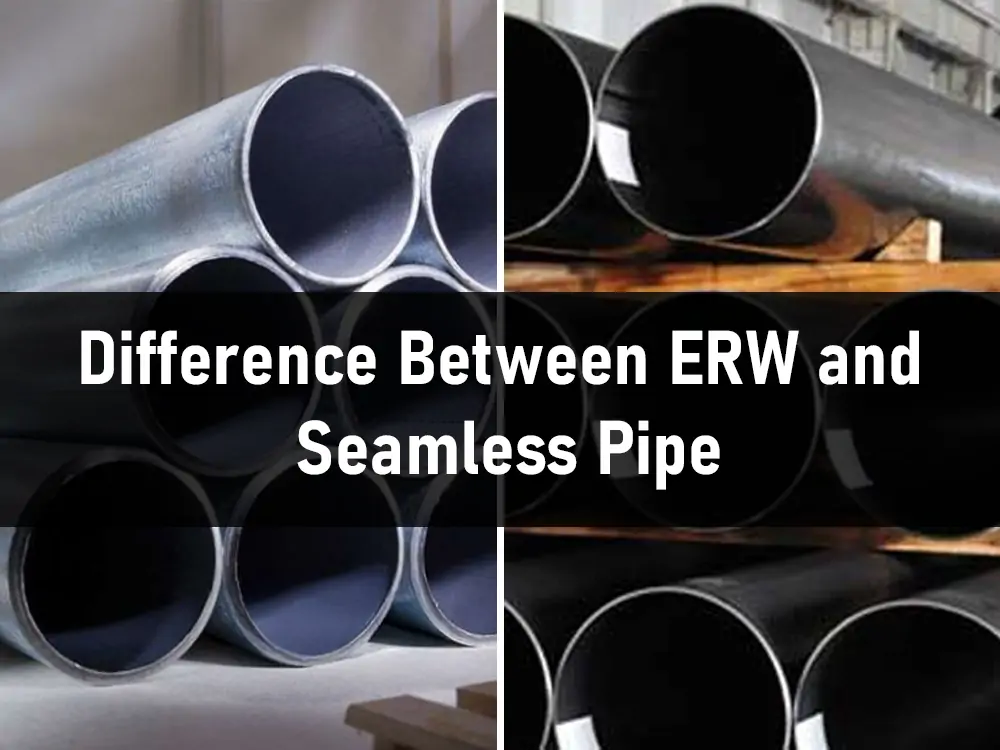
Introduction There are various processes for manufacturing pipes across industries. The two most popular pipe manufacturing techniques are seamless and electric resistance welded (ERW). Construction, water transportation, and oil and gas are among the businesses that employ these pipes. There are similarities between these pipes, including their shapes and functions. But there are certain differences,…
10
Fév
Fév
Introduction Carbon steel is widely used around the world these days. But only a small number of people know what it is and why it is very important. You usually find it in buildings, bridges, pipes, tools, vehicles, and even cookware. This article explains what carbon steel is, its advantages, and its disadvantages. It lastly…
05
Jan
Jan
Introduction Les revêtements jouent un rôle clé dans la protection des réseaux de pipelines. Les pipelines transportent les carburants, l'eau, les produits chimiques et les fluides industriels qui assurent le fonctionnement des villes et des industries. En raison de leur structure souterraine, ils sont constamment exposés à des environnements difficiles qui entraînent la corrosion, l'abrasion, la rouille, etc. Cela peut affaiblir la structure et les réparations peuvent être coûteuses. ...