
When shipping steel pipes from China, careful planning is crucial. The appropriate freight mode can impact import costs.
Shipping requirements are different for small and large AS/NZS 1163 pipe orders. LCL, FCL, and Break Bulk each have their own advantages.
The wrong approach can lead to higher costs and delays. Buyers should consider quantities, delivery schedules, and landed cost.
This article discusses LCL, FCL, and breakbulk shipping. It also highlights the new freight solution Uniasen now provides to help buyers choose the right freight option for ordering pipe. [7]
Key Highlights:
- AS/NZS 1163 pipes can be ordered in various sizes, including LCL, FCL, and breakbulk shipping.
- LCL is for small shipments, FCL is for container orders, and breakbulk is for big projects.
- Freight choice also affects the final import price because transportation, handling, and delivery costs are part of it.
- Buyers must consider landed costs, not just shipping costs.
- Uniasen can offer flexible steel pipe supply solutions based on the buyer’s and project needs.
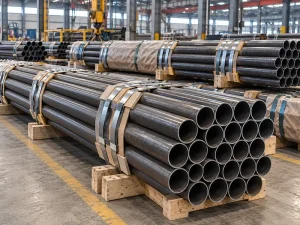
How Can Buyers Choose the Right Shipping Method for AS/NZS 1163 Pipe Orders?
The key to choosing the best shipping option is knowing the order size. Buyers must match the freight option to the project requirements.
If you’re ordering small quantities, you may not need a full container. The vessel space you need depends on the project size and whether it requires special handling.
The three important factors are the number of pipes, delivery time, and price. Buyers should also consider storage space and unloading. LCL, FCL, and breakbulk shipping differ for several reasons. The right choice can make a difference in costs and supply issues.
LCL, FCL, and breakbulk shipping differ for several reasons. The right choice can keep costs in check and avoid supply issues.
Freight planning is a key part of purchasing AS/NZS 1163 pipe. An appropriate shipping method makes it easier to transport goods from the supplier to their final destination. [2][3]
LCL, FCL and Breakbulk Shipping for Steel Pipe Orders
Several methods are available for shipping steel pipes. Depending on the order size and project requirements, you’ll choose the best option. Shipping costs and services vary by shipping method.
Before making large purchases, buyers should understand these options.
1) LCL (Less Than Container Load): Suitable for Small Quantity Shipments
LCL is a transport method in which goods from various buyers are moved in a single container. Every buyer pays only for the space that their goods occupy. [6]
This suits small steel pipe orders. It lets buyers avoid paying for a full container if the shipment isn’t full.
But LCL typically requires more handling. The goods need to be loaded and unloaded with other goods.
For small orders, LCL can provide more flexibility. It lets the buyer ship smaller volumes than what fills a container.
2) FCL (Full Container Load): Ideal for Medium-Sized Pipe Orders
FCL is when one buyer uses the whole container. Only the goods of that buyer are in the container. [6]
It suits medium-sized steel pipe orders. It improves shipping management.
Typically, FCL has fewer handling points than LCL. This can reduce the risk of in-transit damage.
FCL can be a more reliable shipping solution for frequent purchasers. It works well for planned orders with set delivery dates.
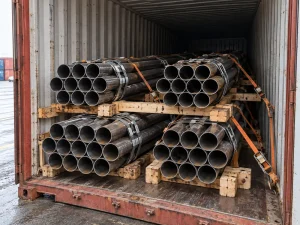
3) Breakbulk Shipping: Designed for Large-Scale Engineering Projects
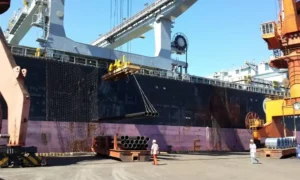
Breakbulk shipping suits large loads that can’t fit in containers. For important projects, steel pipes can be shipped this way. [2][3]
It is normally used for large infrastructure and construction projects. It allows companies to transport heavy and oversized materials.
Breakbulk requires planning. Buyers must consider loading, lifting, port handling, and delivery arrangements.
Breakbulk may be the solution if you need to order a large quantity of AS/NZS 1163 pipe. It transports large volumes of goods that require special handling.
LCL vs FCL vs Breakbulk Comparison
| Faktor | LCL Shipping | FCL Shipping | Stückguttransport |
| Best for | Small steel pipe orders | Medium-sized pipe orders | Large project shipments |
| Cargo type | Smaller quantities sharing container space | Full container shipments | Heavy or oversized cargo |
| Cost structure | Based on used space or weight | Based on full container cost | Based on cargo size, handling, and vessel space |
| Handling level | Higher due to shared cargo | Lower compared with LCL | Requires specialised handling |
| Suitable buyers | Small importers and occasional buyers | Regular stockists and distributors | Contractors and large infrastructure projects |
| Main advantage | Flexible for small orders | Better control and cost efficiency | Suitable for very large shipments |
How Freight Costs Affect the Total Cost of Imported AS/NZS 1163 Steel Pipes
Freight costs can significantly affect the price of imported steel. Shipping methods can change the total amount buyers spend.
Most buyers focus only on the product cost. But transport costs, port charges, and handling fees also affect the total landed cost. [1][2]
1) Understanding the Impact of Ocean Freight on CIF and DDP Pricing
For imported steel, ocean freight is a key component of international imports. It influences the final selling price before products reach the buyer. The seller pays for insurance and freight to the destination port. The buyer is most likely to pay fees upon arrival. [1]
DDP means the seller pays most delivery costs up to the agreed-upon location. This can help buyers understand the pricing. [1]
When ordering pipes under AS/NZS 1163, buyers should consider the total delivered cost. Sometimes the cheapest product is not the cheapest in the end.
2) Comparing Cost Structures Across Different Shipping Methods
Each shipping option has different costs. There are three different ways to calculate LCL, FCL, and breakbulk charges.
LCL costs are usually based on the space or weight the shipment uses. FCL charges are for the whole container. [6]
Breakbulk charges are based on the amount, weight, and vessel space required to handle the load. Alternatively, large steel pipe orders may require additional planning and equipment. [2]
The right method can help the buyer manage freight costs. Choose the best option for your order size and delivery needs.
3) Considering Additional Charges Such as Handling and Lifting Fees
Freight expenses are more than just sea shipping fees. Port handling and lifting charges may also apply to steel pipe shipments.
Special equipment may be required during loading and unloading of large pipes. These services can add to shipping costs. [2]
Buyers should review all charges before choosing a shipping method. This will help you create an accurate import budget.
LCL vs. FCL vs. Breakbulk: Which Shipping Option Works Best for Different Order Sizes?
The shipping mode depends on the size of the steel pipe order. The buyer should choose the method that best fits their transportation and delivery requirements.
Flexibility is required for small orders. Larger projects require more space and careful handling.
1) Small Batch Purchases: When LCL Provides Better Flexibility
LCL suits clients who need smaller quantities of pipe. They can consolidate with other shipments instead of booking an entire container. [6]
A great option for smaller orders that can save money. It helps buyers who don’t require frequent big orders.
However, LCL takes longer because the shipment is combined with other shipments. The buyer should choose the delivery date wisely.
LCL may be a good option for small purchases of AS/NZS 1163 pipes. It gives the buyer more flexibility when ordering smaller quantities.
2) Medium Volume Orders: Why FCL Offers Better Cost Efficiency
For medium-sized steel pipe orders, FCL is often used. One customer fills the entire container with their cargo. [6]
This reduces handling costs. It can also help protect products during transport.
FCL can be more cost-effective with increased order volumes. The buyer uses available container space more efficiently.
For regular stock orders, FCL provides a simple shipping process. It makes it easier for the buyer to deal with planned imports.
3) Large Infrastructure Projects: When Breakbulk Becomes More Practical
Very large volumes of steel pipes may be required for very large projects. These shipments may not be contained in standard containers.
Breakbulk shipping is the ability to transport large and heavy items via a vessel. It is most commonly used for oversized materials and project cargo. [2][3]
This approach requires careful planning. The buyer is responsible for lifting, storage, and delivery before shipment.
Breakbulk can provide the space needed for large pipe orders for major infrastructure projects. It’s usually the better option for large volumes of heavy, bulk items.
How Uniasen Optimizes the Supply Chain for Different Buyer Requirements
Various steel buyers have different shipping requirements. Some require small orders; others require large project shipments.
The flexible supply system lets buyers choose the right shipping method. Uniasen offers a variety of order sizes and has production and shipping plans in place.
1) Supporting Large-Volume Breakbulk Orders for Distributors and Contractors
Large projects require steel pipes in large quantities. Special transport planning and handling might be needed for these shipments. [2]
Uniasen welcomes large orders from distributors and contractors. The company can arrange heavy and oversized cargo.
Breakbulk shipping can support large engineering projects. It allows you to ship large volumes of steel piping in a single shipment.
But with careful planning, you can minimize delivery delays. It also caters to big project buyers.
2) Providing Flexible Container Consolidation for Smaller Buyers
Small-quantity buyers may not need a full container shipment. This is achieved through smaller, more efficient imports via consolidated shipping containers.
Depending on order volume, Uniasen can offer various shipping methods. This gives buyers the choice of which approach to choose.
LCL shipping can be useful if the pipe order is smaller. It allows buyers to share container space without hiring an entire container. [6]
This way, smaller buyers can have more control over purchasing.
3) Using Stock Availability and Production Planning to Improve Delivery Efficiency
This helps minimize waiting time caused by poor planning. Buyers need suppliers to control production and shipment dates.
The production planning process helps prepare the order on time. Stock availability also supports delivery planning.
The right supply process ensures these products are delivered to the buyer as needed. It helps maintain project timetables and makes order control easier.
4) Supporting Different Buyer Needs With the Right Freight Choice
Each steel order has its own requirements. Preferred shipping methods depend on quantity, delivery time, and project conditions.
Uniasen gives the buyer clarity on freight, enabling him to choose the right option for his order. This makes it easier to import from production to the final delivery.
Key Factors Buyers Should Consider Before Selecting a Freight Method
When selecting a shipping method, freight rates are not the only factor. Customers should review all order terms before deciding to purchase.
Based on shipment volume, delivery requirements, and overall import costs, you can choose the right option. With proper planning, you can avoid delays and unforeseen costs.
1) Order Volume and Project Timeline Requirements
The amount of steel pipes will influence the best shipping mode. Small orders may suit LCL, while larger orders may require FCL/breakbulk service. [2][6]
Delivery timing is also crucial. When projects have strict deadlines, they need a shipping method that meets those requirements.
The buyer must arrange shipment before production. This prevents delays in transport and production.
2) Storage Capacity and Delivery Location Constraints
Upon delivery, steel pipes require an appropriate storage area. Large orders should be checked to see if there is sufficient room for them on the part of the buyer.
The shipping plan also depends on the delivery location. Restrictions may exist on the site, such as truck access, hoisting equipment, and unloading areas.
The buyer can then make an informed decision about how to transport the freight, knowing what they will be dealing with. It helps ensure a smooth delivery when the items reach the final destination.
3) Total Landed Cost Instead of Only Shipping Price
Sometimes the cheapest freight doesn’t mean the lowest overall cost. The buyer must consider all costs within the purchasing process up to the cost of final delivery.
Landed cost can consist of ocean freight charges, insurance, port charges, handling fees, and inland transportation charges. [1]
When buyers compare total prices, they get a clearer picture. This helps them choose a more cost-effective shipping method.
4) Supplier Experience With International Steel Shipments
Shipping can affect the entire import process, depending on the supplier. Steel pipes must be packed, handled, and documented properly.
An experienced supplier will know the freight requirements for different order quantities. They can help the purchaser avoid common shipping issues.
Partnering with a supplier with international logistics expertise can make the process smoother. It provides more assistance to buyers from production to delivery. [4]
FAQs:
1) What Is the Difference Between Lcl and Fcl Shipping?
LCL stands for Less Than Container Load. It lets multiple buyers share a container.
FCL is short for Full Container Load. One purchaser fills the entire container with their products. [6]
LCL is suitable for small orders. FCL may be better for larger shipment volumes, as it provides more space and control.
2) When Should Steel Pipe Buyers Choose Breakbulk Shipping?
Breakbulk shipping is best for large, heavy cargo. The steel pipe is widely used in large-scale construction and engineering projects.
This may be necessary when steel pipe orders are too large to fit into containers. Buyers should also consider lifting and handling requirements before shipment. [2][3]
3) Which Shipping Method Is the Most Cost-Effective for As/Nzs 1163 Pipes?
No one shipping method is the best for all orders.
Small quantities may be fine with LCL. FCL can be more cost-effective for medium orders. For very large shipments, breakbulk might be more feasible.
The best option depends on cargo size, delivery requirements, and total landed cost.
4) How Does Freight Method Affect the Final Cost of Imported Steel Pipes?
Depending on how the buyer pays for freight and handling, the freight method will differ.
LCL fees are based on the space the customer uses. Full Container charges apply. Break bulk charges are subject to the size of the cargo and other handling considerations. [2][6]
The choice of method can help minimize the final import price.
5) Can Uniasen Support Both Small and Large Steel Pipe Orders?
Yes. At Uniasen, you’ll find multiple order sizes and shipping options. For small buyers, there are container options that suit them best. Large buyers can choose the right solution for their high-volume project shipments.
All customers can select the appropriate freight solution to meet their delivery requirements efficiently.
Final Thoughts!
Selecting the appropriate freight type can streamline steel imports and make them more affordable. You can choose based on order quantity, delivery time, and project requirements.
LCL, FCL, and breakbulk each serve distinct roles in shipping steel pipes. Consider the flexibility for smaller orders and the specialized transport for larger projects.
Don’t only think about shipping when buying AS/NZS 1163 steel pipes. Other considerations include landed cost and supplier familiarity.
Uniasen provides Australian buyers with suitable shipping options to fulfill different shipping demands. Kontakt to discuss your steel pipe order and find the right option for your project.
References:
- International Chamber of Commerce (ICC). Incoterms® 2020: ICC Rules for the Use of Domestic and International Trade Terms.
- United Nations Conference on Trade and Development (UNCTAD). Review of Maritime Transport 2024.
- Stopford M. Maritime Economics.
- Christopher M. Logistics and Supply Chain Management: Creating Value-Adding Networks.
- International Maritime Organization (IMO). Verification of the gross mass of a packed container.
- World Shipping Council. Container Shipping: The Role of Containers in Global Trade.
- AS/NZS 1163:2016 Cold-formed structural steel hollow sections.
- International Organization for Standardization. ISO 28000:2022 Security and resilience — Security management systems — Requirements.
- Rodrigue JP. The Geography of Transport Systems: Maritime Transportation and Logistics.
- UN Economic Commission for Europe (UNECE). Trade Facilitation.