
Introdução
Existem vários processos de fabricação de tubos em diversos setores. As duas técnicas mais comuns de fabricação de tubos são sem emendas e soldado por resistência elétrica (ERW). Os setores de construção, transporte aquático e petróleo e gás estão entre os que utilizam esses tubos. Existem semelhanças entre esses tubos, incluindo suas formas e funções. No entanto, há certas diferenças, como resistência, custo e aplicações, que os distinguem uns dos outros.
Compreender essas distinções é fundamental tanto para os fabricantes quanto para os usuários. Você poderá fazer uma escolha informada assim que entender a diferença entre tubos sem costura e tubos ERW. Muitos fatores podem determinar a escolha de um tipo específico de tubo. Por exemplo:
- Classificação de pressão
- Resistência mecânica
- Custo
- Resistência à corrosão
Este artigo descreve as principais diferenças entre tubos sem costura e tubos ERW.
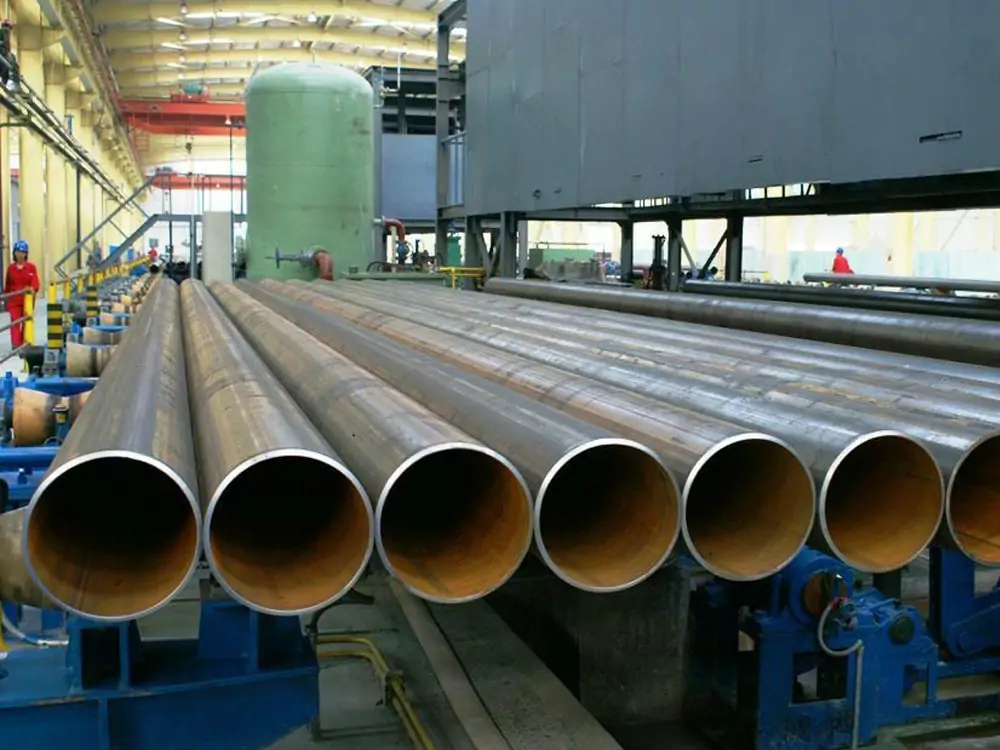
Processo de fabricação
Para fabricar tubos ERW e sem costura, são utilizados diferentes processos de fabricação. O processo de fabricação do tubo determinará sua aplicação adequada.
Fabricação de tubos sem costura
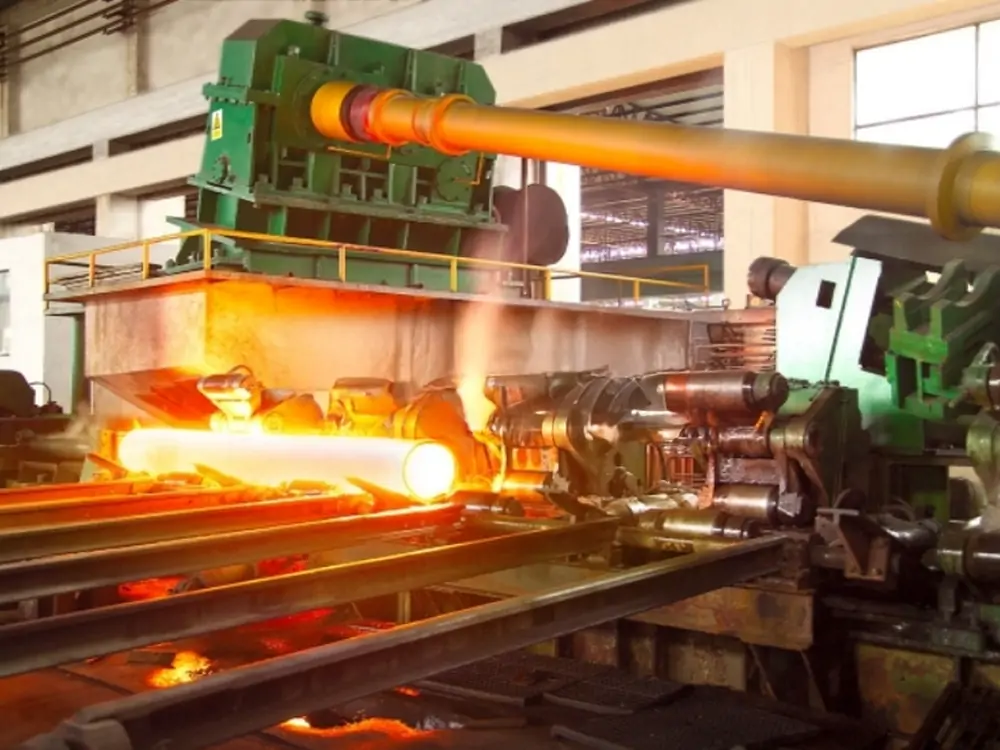
Alguns tubos apresentam alta resistência e não possuem costuras de solda. Esses tubos são sem costura. No processo de fabricação, os lingotes sólidos de aço inoxidável são aquecidos. A haste (mandril) é inserida no centro do lingote. Posteriormente, o lingote é transformado em uma haste oca sob pressão.
Para manter o diâmetro da haste de acordo com as especificações exigidas, a haste oca é moldada por estiramento. O tubo não possui costura de solda, razão pela qual apresenta uma circunferência lisa ao longo de todo o seu comprimento.
Existem duas categorias de tubos sem costura:
- Acabamento a quente
- Tirado a frio
Fabricação de tubos ERW
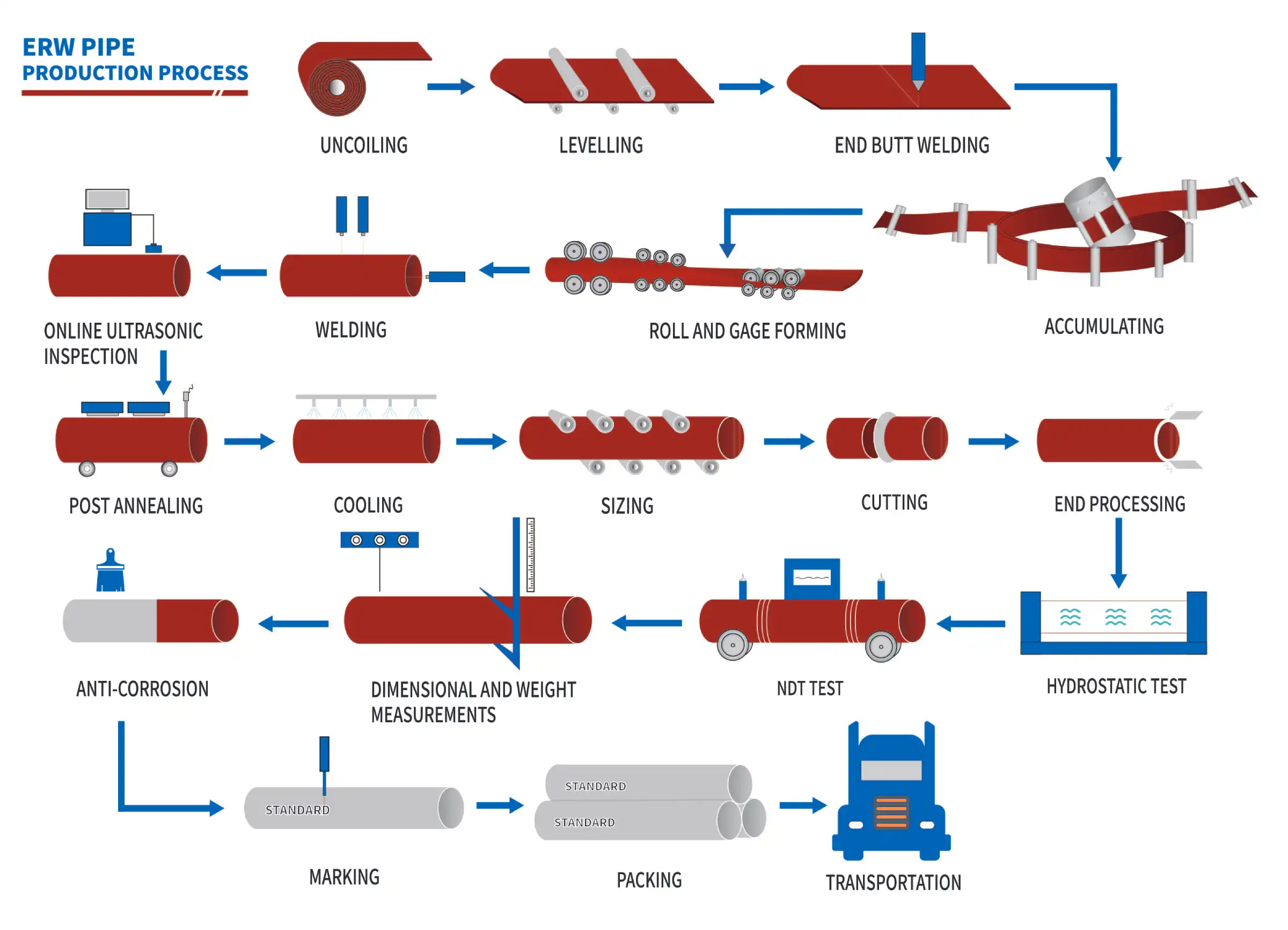
As bobinas e tiras de aço são soldadas para formar tubos. Há um cordão de solda bem visível nesses tubos. A tira é primeiro torcida até assumir uma forma cilíndrica. Utiliza-se uma corrente elétrica de alta frequência para soldar os tubos. O cordão de solda é visível na face longitudinal do tubo.
A diferença entre a soldagem ERW e a soldagem tradicional é que a ERW não utiliza metal de adição. A alta pressão gerada pela resistência elétrica une as bordas. Por fim, o tubo passa por tratamento térmico, reforço e calibragem.
Diferenças físicas e mecânicas
Os tubos de aço ERW e os tubos de aço sem costura diferem em suas propriedades mecânicas e físicas. O processo de fabricação é o que determina essa diferença.
As diferenças específicas entre esses dois tipos de tubos de aço são as seguintes:
| Propriedades | Tubos sem costura | Tubos ERW |
| Presença de costura | Esses tubos não apresentam costuras de solda. | É possível observar uma linha de solda longitudinal na superfície. |
| Distribuição de resistência | Não há costura soldada no tubo. Assim, o usuário obtém resistência uniforme ao longo de todo o comprimento. | O ponto de solda reduz a resistência do tubo. A distribuição da resistência ao longo do comprimento do tubo varia. |
| Espessura da parede | O processo que determina a espessura da parede é a extrusão e a laminação. Esses processos causam variações na espessura. | Esses tubos ERW são fabricados por meio da laminação das chapas. Como as chapas de aço têm espessura uniforme, os tubos ERW apresentam espessura de parede consistente. |
| Resistência à temperatura e à pressão | Os tubos de aço sem costura apresentam alta resistência. Isso significa que possuem alta resistência à pressão. Da mesma forma, são capazes de suportar temperaturas mais elevadas. | As classes e os padrões dos tubos ERW os tornam ideais para aplicações em baixas temperaturas e baixas pressões. |
| Acabamento da superfície
|
Maior precisão dimensional e melhor acabamento superficial são características dos tubos sem costura. | Os tubos fabricados pelo processo ERW apresentam uma superfície externa lisa. Ao mesmo tempo, a superfície interna requer um processamento adicional. |
Vantagens e desvantagens
O uso de tubos sem costura e ERW apresenta muitas vantagens. No entanto, o processo também apresenta algumas desvantagens. As vantagens e desvantagens da utilização de tubos de aço sem costura e ERW são detalhadas a seguir.
Tubo sem costura
| Vantagens | Desvantagens |
| Não há nenhum cordão de solda na superfície. | Devido à perfeição do processo de produção, o preço é um pouco mais alto. |
| São utilizadas em ambientes de alta temperatura e alta pressão. | O processo de produção é um pouco demorado. |
| O uso de tubos sem costura é muito comum na perfuração de gás e petróleo. | Esses tubos têm uma variedade muito limitada no que diz respeito aos tubos de diâmetro maior. |
| Não há lacunas no local da solda. Isso proporcionará maior resistência à tensão e à ferrugem. | O tubo pode apresentar espessuras de parede ligeiramente diferentes ao longo de seu comprimento. |
Tubo ERW
| Vantagens | Desvantagens |
| A utilização de tubos ERW é uma decisão econômica. | A principal desvantagem dos tubos ERW é sua costura longitudinal. |
| Os tubos ERW apresentam espessura de parede uniforme. | Esses tubos não suportam temperaturas e pressões muito elevadas. |
| O processo de fabricação é bastante eficiente. | O local da solda está sujeito à corrosão. |
| Há uma ampla variedade de diâmetros de tubos. | Ausência de distribuição uniforme da resistência à pressão. |
| O processo de fabricação é muito curto. |
Normas e especificações
A fabricação de tubos de aço ERW e sem costura segue normas internacionais. As normas mais comuns são:
- ASTM A53: tanto os tubos sem costura quanto os ERW estão incluídos na norma.
- Para tubos de aço carbono sem costura destinados a aplicações em altas temperaturas, ASTM A106é o padrão.
- API 5L: há tubos homologados disponíveis para o transporte de gás e petróleo.
- ASME B36.10 / B36.19: tabelas de espessura de parede e dimensões de tubos
Os tubos sem costura são normalmente fabricados em classes de pressão como Schedule 40, 80 e 160. Esses tubos possuem uma capacidade de resistência à pressão que costuma ser de 15 a 25 vezes maior do que a dos tubos ERW. Os diâmetros dos tubos ERW variam de 1/2 polegada a 24 polegadas. Os tubos sem costura estão disponíveis em diâmetros de até 20 polegadas, sendo que tamanhos superiores a 20 polegadas são oferecidos por um preço mais elevado.
Existem dois tipos de classes de API: X42, X52, X65 e X70. Tubos de parede lisa são, por vezes, utilizados em trabalhos críticos de alta pressão acima de 5.000 psi. Tudo depende da espessura da parede e da classe do material.
Aplicativos
Os tubos ERW ou sem costura são selecionados com base na pressão de operação, na temperatura e nas condições de serviço.
As aplicações de tubos sem costura são comuns em:
- Exploração e perfuração de petróleo e gás
- Caldeiras de alta pressão (mais de 450 graus)
- Usinas de energia
- Sistemas hidráulicos
- Unidades de processamento petroquímico.
Os tubos sem costura também são adequados para condições de alta tensão, alta temperatura e cargas cíclicas, devido à ausência de costura de solda.
Os tubos ERW são geralmente utilizados em:
- Tubulações de água
- Aplicações estruturais
- Transporte de petróleo e gás em média e baixa pressão
- Cercas e andaimes
- Os tubos são utilizados em aplicações automotivas e mecânicas.
Os tubos ERW são mais baratos e mais confiáveis para aplicações em temperaturas inferiores a 350 °C e pressão moderada.
Custo
A diferença de preço entre os tubos sem costura e os tubos ERW está entre as mais significativas. Os preços dos tubos sem costura são normalmente 20% a 40% mais altos do que os dos tubos ERW. Isso se deve às dificuldades envolvidas na perfuração e na laminação do tarugo.
A soldagem de alta frequência é utilizada na produção de bobinas de tubos de aço ERW. Isso minimiza o desperdício de tempo e de material na produção.
Os tubos ERW são 25–35% mais baratos do que os tubos sem costura. Isso torna os tubos ERW uma opção viável para projetos de infraestrutura e construção em grande escala, nos quais não é necessária resistência a pressões ultra-altas.
Conclusão
A principal diferença entre os tubos ERW e os tubos sem costura reside nos métodos de produção e na qualidade estrutural. As principais vantagens dos tubos sem costura são sua maior resistência, maior capacidade de pressão e melhor desempenho, uma vez que não possuem juntas de solda. Por outro lado, os tubos ERW são econômicos, dimensionalmente estáveis e podem ser produzidos mais rapidamente. Eles são adequados para aplicações estruturais e industriais em geral.
A escolha de tubos ERW e sem costura será influenciada por:
- Pressão
- Temperatura de operação
- Custo do projeto
- Requisitos para inscrição
A UNISEN oferece consultoria profissional e soluções de tubulação de alta qualidade. A empresa está sempre disposta a receber chamadas.