


Inleiding
Carbon steel is widely used around the world these days. But only a small number of people know what it is and why it is very important. You usually find it in buildings, bridges, pipes, tools, vehicles, and even cookware.
This article explains what carbon steel is, its advantages, and its disadvantages. It lastly explains the comparison with other common alternatives.
Overview of Carbon Steel
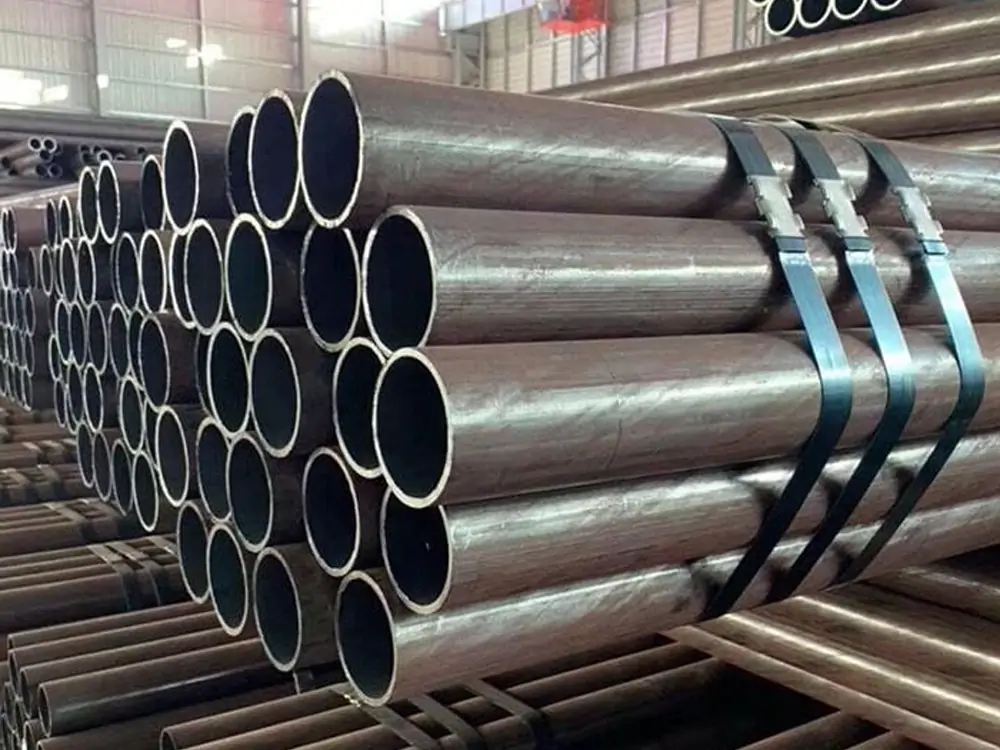
Carbon steel is one type of steel. It is basically an alloy of iron and carbon. It has a high carbon content, far above that of other types of steel, making it unique. The carbon content may range from 0.02 to 2.14 percent, by weight.
This small addition makes a huge difference in the steel’s strength. The more carbon, the firmer and stronger the steel is. But, it will be less flexible then.
A few carbon steels also contain other elements. They may include manganese, silicon, sulfur, and phosphorus. These elements are in small amounts and are not added to produce a special alloy. Because of this, carbon steel will often be referred to as plain carbon steel.
It comes in three forms: Low, Medium, and High Carbon Steel. Each type is suitable for different types of uses.
Voordelen van koolstofstaal
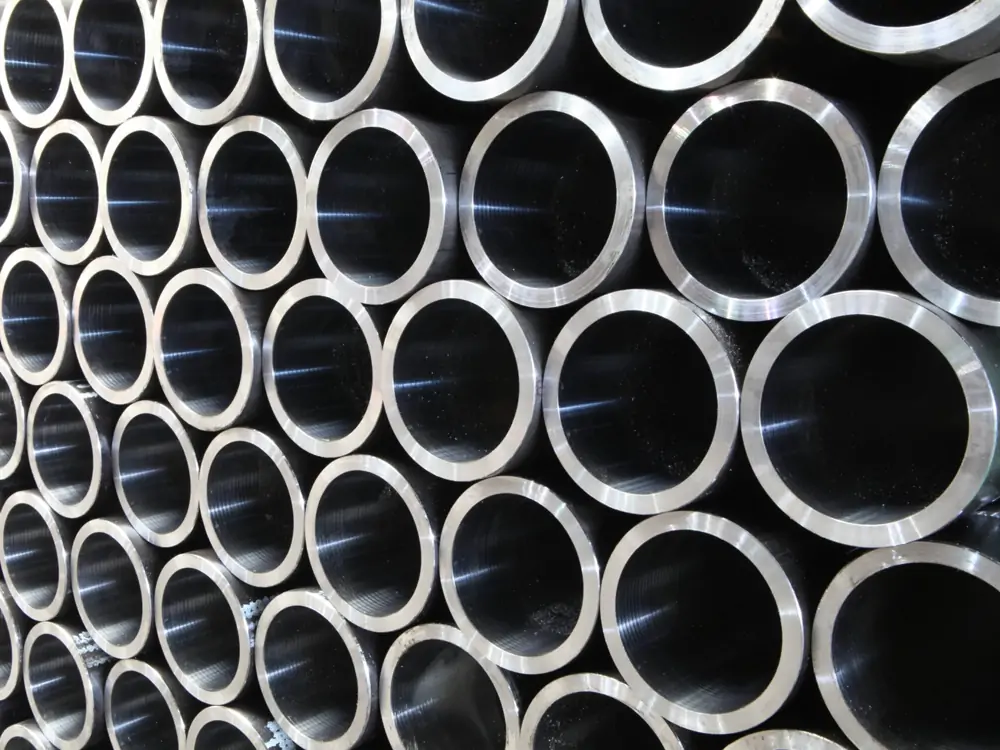
Carbon steel comes with many advantages. A few of them are discussed below.
One of its main advantages is its strength. The additional carbon makes it tougher than other steel types. This makes it handle heavy loads, high stress, and pressure. This makes it ideal for construction sites, where safety and power are paramount for beams, columns, and supports.
Carbon steel is also known for its durability. It is strong enough to withstand stress and impact better than other materials. This makes it usable for long-lasting bridges, roads, pipelines, and industrial equipment. They can survive earthquakes, strong winds, and heavy use for a long time.
Another benefit is its lower cost. Its raw materials are easy to source and common. Because it is strong, manufacturers use thinner sections. This does not compromise its performance and also reduces material and costs in large projects.
It is also easy to recycle. Melt down the old carbon steel and reuse it without losing any core properties. It is useful to reduce waste and reuse materials. It also takes less energy to produce from raw materials.
When it comes to safety, it performs really well. It does not heat up and maintains its shape at high temperatures. This makes it usable for fire-resistant areas. It also does not emit any damaging substances.
When used in cookware, carbon steel can make pots and pans heat up much more quickly. They also last longer with fewer dents and scratches. It does not interact with food as aluminum does.
It offers flexibility across its different grades. Low-carbon steel is easy to shape and can be used for frames, pipes, nails, and wires. Medium-carbon steel balances toughness and strength. It’s useful in making train wheels and other machinery. High-carbon steel is useful in making blades, springs, and cutting equipment. It is the strongest of the three.
Disadvantages of Carbon Steel
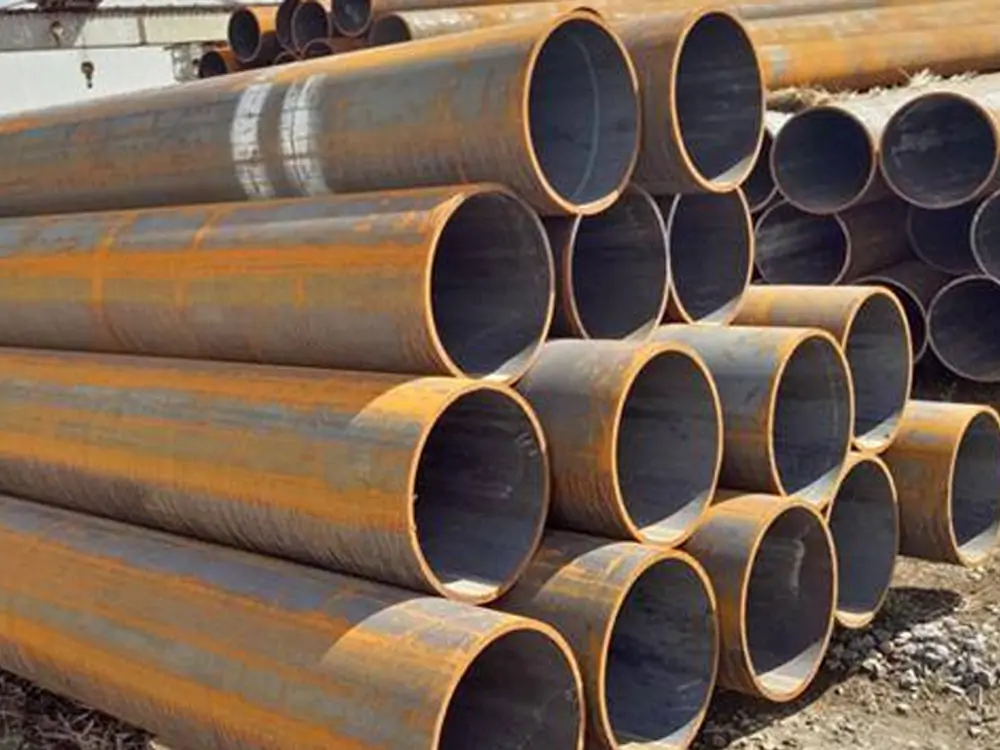
Carbon steel offers many advantages but also has a few limitations.
To begin with, it is highly corrosive. It contains less chromium and thus is less rust-resistant. When it is kept in wet conditions, the metal may rust quickly, especially without a coating.
It can also be a more difficult metal to shape. This generally happens where the carbon content is high. More carbon allows less flexibility. This makes it harder to bend and form and limits its use in complex shapes. High-carbon steel can crack when mishandled because it hardens at high temperatures.
Carbon steel with higher carbon content can also be difficult to weld. If not welded properly, it can cause cracks and weak joints. This means there are guidelines that workers must follow.
When the carbon steel is heated to a high temperature, it loses its hardness. If the temperature of any working tool crosses 200 to 300 degrees Celsius, then it may soften and wear out.
Comparison of carbon steel vs. common alternative materials
A comparison of carbon steel with some common alternatives is shown below. Every material has its pros and weaknesses, and the best material depends on the situation.
| Materiaal | Sterkte | Corrosiebestendigheid | Kosten | Common Uses |
| Koolstofstaal | Hoog | Low without coating | Laag | Construction, pipes, tools |
| Roestvrij staal | Medium | High due to chromium | Higher | Kitchen items, medical tools |
| Aluminium | Low to medium | Goed | Medium | Aircraft, light frames |
| Koper | Medium | Goed | Hoog | Plumbing, wiring |
Carbon steel is strong and affordable, making it ideal for durability and price. Stainless steel makes a better stand from rust. Aluminum is lightweight, and copper is well-suited for high electrical or heat-transfer requirements.
Conclusie
Carbon steel offers strength, durability, low cost, and wide availability. Its various grades are made for a variety of uses, ranging from buildings and pipes to tools and cookware. While it requires protection against rust and careful handling in some cases, it remains a reliable material across many industries.
As a carbon steel pipe manufacturer, we prioritize consistent quality, safe supply, and practical solutions. For your construction or industrial needs, if you are looking for carbon steel pipes, contact us to discuss your requirements and find the right ones.