
Introduzione
In Australia, steel products are used in several commercial projects. These projects require steel to be readily available. Delays in steel supply can derail a project.
For steel delivery and bulk supply, two options are most common. Factory production and stockist supply are the most common options. Today, we will discuss both options and help you decide which one to consider.
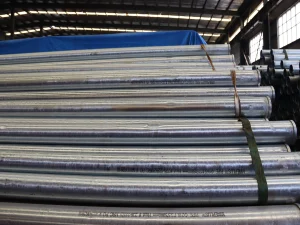
Why Lead Time Management Matters for Australian Steel Projects
Lead time is the estimated period between placing an order and delivering the products. It is crucial for Australian steel projects for several reasons.
Avoid Project Delays
Project Delays happen when the steel supply is inadequate. Longer lead times often delay projects. Moreover, some steel projects require bulk quantities.
Choosing inefficient suppliers or the wrong shipping method can delay the overall supply. To avoid project delays, lead-time management is vital.
Control Additional Costs
When steel materials arrive late, they can drive up costs. Common costs include increased labor, equipment rental, storage, and transportation charges.
Some Australian construction contracts even have liquidated damages for delays. With adequate, timely supply, costs may be reduced.
Maintain Supply Chain
One key benefit of timely steel delivery is maintaining supply chain systems. It can avoid production delays, raw material shortages, shipping changes, and port congestion.
Australian buyers should consider the whole shipping process before buying steel supplies. They should also understand estimated lead times and order deadlines.
What is Factory Production?
Factory production of steel products is a comprehensive, high-volume process. It involves assessing and using steel raw materials to produce steel.
Heavy machinery and production lines are used in this process. However, it supports bulk steel production with reliable lead times.
What is Stockist Supply?
Stockist supply is steel products that are already in stock. Many suppliers have already prepared steel products to Australian standards.
The advantage is the ready availability of these steel supplies.
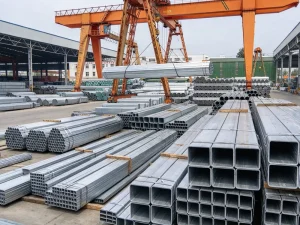
Factory Production vs. Stockist Supply: Key Differences
Factory production differs from stockist supply. It has the following key differences.
| Fattore | Factory Production | Stockist Supply |
| Disponibilità | Requires manufacturing | Depends on existing stock |
| Lead time | Around 30–40 days for planned production | Faster when stock is available |
| Custom specifications | More suitable | Limited to available products |
| Order quantity | Suitable for bulk orders | Suitable for urgent or smaller orders |
| Planning | Requires advance ordering | Offers greater flexibility |
| Main risk | Production and shipping delays | Stock shortages |
Disponibilità
Availability determines the supply of steel products. Factory production takes time and may not offer steel products readily. The production process involves careful raw material selection, processing, and production.
In comparison, stockists provide readily available supply. They provide instant supply and deliver products when needed.
Lead time
In factory production, lead time includes production and delivery time. Production may take 15-20 days, depending on the manufacturer. Delivery time may also be 15-20 days. Overall, factory stock arrives in 30-40 days.
For stockists, products are already manufactured. They arrive in 15-20 days. Therefore, it is faster and better for urgent steel supplies.
Custom specifications
Sometimes, Australian projects have different steel requirements. They may require a few customized features.
The factory is always open to custom manufacturing. Project managers can tell their specific steel demands and features.
On the other hand, stockists are less likely to offer customization. This is because they already have stock and supplies available.
Order quantity
Order quantities depend on the project’s scalability and management. Large projects may require bulk quantities, while small steel projects require small quantities.
The factory can accommodate the order quantities. Manufacturing occurs on a large scale. As a result, it is the best option when you need to order large quantities of steel.
In contrast, stockists don’t keep large stock on hand. They offer steel in small quantities. Therefore, they suit small orders better than large ones.
Planning
Planning means how you plan and meet demand. Because factory production is slow and can take the full production process, it requires advance ordering and planning.
In contrast, stockist supply has greater flexibility. You can order it whenever you need. There are no time constraints, as stock is already available for delivery.
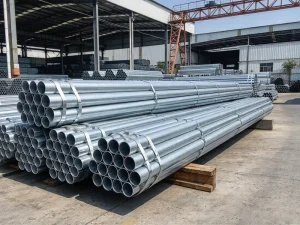
Main risk
Each method has a few associated risks. With factory production, production may take time, which can increase lead times. As a result, products may arrive late. It can disrupt the normal supply chain.
In contrast, stockist supply is available at all times. However, stock shortages may occur when you need large quantities. Stock may fluctuate suddenly during peak seasons.
Which One Is the Better Choice for Different Projects?
When choosing between the two options, focus on the right factors.
Project Requirements
Project requirements depend on the steel quantities. For bulk supply, you should consider the factory. For small steel quantities, choose stockists.
Lead Times
Do you need faster steel delivery for your projects? For faster delivery, always prefer the stockists. They have ready-made steel products for your projects.
Personalizzazione
If steel projects require customization, factory production is a preferable choice. This is because of Custom inventory supply compared to stockists.
| Project Type | Better Choice | Reason |
| Large projects | Factory production | Suitable for bulk orders and planned deliveries. |
| Urgent projects | Stockist supply | Helps reduce waiting time when materials are available. |
| Projects requiring custom sizes | Factory production | Supports specific dimensions and processing requirements. |
| Small projects | Stockist supply | Suitable for smaller quantities and faster procurement. |
| Projects with strict deadlines | Combined approach | Available stock supports urgent needs, while factory production covers bulk requirements. |
| Maintenance and repair work | Stockist supply | Helps replace damaged or missing materials quickly. |
| Long-term industrial projects | Factory production | Supports planned purchasing and consistent material requirements. |
| Projects with uncertain demand | Combined approach | Provides flexibility to adjust supply as requirements change. |
Conclusione
Factory Production has different requirements than stockist supply. For bulk supply, factory production is a better choice. Stockist supply can meet urgent project requirements. When planning steel for projects, combine both methods. Order before the deadlines with proper time management.
For high-quality steel supplies, contact UNIASEN. We can supply from both factory and stockist stock to deliver steel faster. Our steel supplies fully comply with Australian project requirements and standards. Contact our experts to discuss your project requirements!!