
Steel pipes are useful in many industries and construction applications. Some of them are used to transfer water, gas, or steam. Others are used to support heavy buildings and bridges that are built deep underground. Since these are different purposes, pipe makers use different standards for their production.
ASTM International created standards to help builders choose the right pipe for the right job. Two of the most popular carbon steel pipe specifications are ASTM A53 and ASTM A252.
Usually, the pipes look the same. However, each standard has a different function. Selecting the wrong one results in weak performance, increased costs, or installation issues.
This article describes the major differences between ASTM A53 and ASTM A252.
What Is ASTM A53?
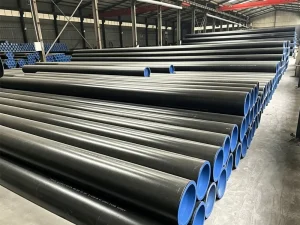
ASTM A53 is a standard for carbon steel pipes for pressure and mechanical applications. The standard covers both black steel and zinc-coated versions for different weather conditions.
These pipes are used for low and medium-pressure applications. They are also bent, welded, threaded, and flanged by workers during installation.
ASTM A53 is divided into two grades: grade A and grade B.
What Is ASTM A252?
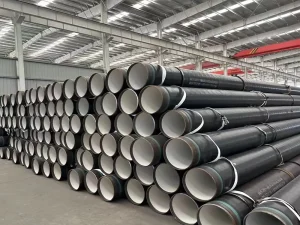
ASTM A252 is a carbon steel pipe specification for piling use. Piles are long steel columns driven deep into the soil to support structures.
These pipes support heavy structures such as buildings, bridges, and docks. In certain projects, workers pour concrete into the pipe after installation.
ASTM A252 pipes come in three grades: Grade 1, Grade 2, and Grade 3.
Main Purpose of Each Pipe
The main difference between ASTM A53 and ASTM A252 lies in their jobs.
ASTM A53 pipes are used in the transport of water, steam, gas, and air. They are used in systems where the pressure rises during operation.
ASTM A252 pipes are used to provide the bottom support of a structure. They are driven into the soil by builders using large machines. The pipe helps to distribute weight to more robust layers of soil.
Manufacturing Differences
Both standards allow seamless and welded pipes, though their manufacturing rules differ.
Common ASTM A53 manufacturing methods include:
- Seamless pipe (Type S)
- ERW pipe (Type E)
- Furnace butt-welded pipe (Type F)
Common ASTM A252 manufacturing methods include:
- Nahtlose Rohre
- ERW-Rohr
- Flash-welded pipe
- Fusion-welded pipe
- Spiral-welded pipe
Spiral-welded pipes are commonly used in ASTM A252 piling projects because their large diameters are well-suited to foundation work.
Chemische Zusammensetzung
Chemical Composition of ASTM A252
ASTM A252 provides simplified chemical composition restrictions where toughness is considered more important than high-pressure use. The phosphorus (P) content should not exceed 0.050% to maintain toughness. All other elements can vary in composition.
Chemical Composition of ASTM A53
The chemical requirements for ASTM A53 pipe are stricter because pressure piping must maintain continuous performance and cannot afford any leakage. Below is a table showing the maximum values of the elements for all grades.
| Type / Element | C | Mn | P | S | Cu | Ni | Cr | Mo |
| Type S/E – Grade A | 0.25 | 0.95 | 0.05 | 0.045 | 0.40 | 0.40 | 0.40 | 0.15 |
| Type S/E – Grade B | 0.30 | 1.20 | 0.05 | 0.045 | 0.40 | 0.40 | 0.40 | 0.15 |
| Type F – Grade A | 0.30 | 1.20 | 0.05 | 0.045 | 0.40 | 0.40 | 0.40 | 0.15 |
Mechanical Strength
Both pipes have good strength characteristics, but ASTM A252 Grade 3 has higher strength for heavy foundation construction.
Mechanical Strength of ASTM A53
The ASTM A53 standard focuses on pressure capability and proper fluid flow.
| Klasse | Minimum Yield Strength (ksi) | Minimum Tensile Strength (ksi) |
| Note A | 30 ksi | 48 ksi |
| Note B | 35 ksi | 60 ksi |
Grade B is more common since it withstands greater pressures.
Mechanical Strength of ASTM A252
The ASTM A252 standard focuses on carrying loads in buildings and withstanding pile-driving impacts.
| Klasse | Mindeststreckgrenze | Minimum Tensile Strength |
| Klasse 1 | 30 ksi (205 MPa) | 50 ksi (345 MPa) |
| Grade 2 | 35 ksi (240 MPa) | 60 ksi (415 MPa) |
| Klasse 3 | 45 ksi (310 MPa) | 66 ksi (455 MPa) |
Grade 3 handles the heaviest loads.
Pipe Sizes
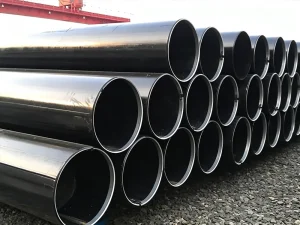
ASTM A53 pipes are generally smaller-sized pipes. The sizes most commonly available range from 1/8 to 26 inches.
The diameter of ASTM A252 pipes is much larger. Pipe size can range from 6 inches to 120 inches, or even more.
Anforderungen an die Prüfung
Test rules vary depending on the pipe’s function.
ASTM A53 requires pressure testing. ASTM A53 tests that are most frequently used are:
- Hydrostatic testing
- Electric leak testing
- Flattening testing
- Non-destructive electric testing
- Bend testing
ASTM A252 employs structural testing. Typical ASTM A252 tests include:
- Tensile testing
- Yield strength testing
- Elongation testing
- Weld inspection
These tests can be conducted to verify a pipe’s ability to resist high impact and soil pressure.
Surface Coatings
Coatings are slightly similar in both standards, but are used differently.
Surface Coatings for ASTM A53
| Art der Beschichtung | Anmeldung |
| FBE (Fusion Bonded Epoxy) | Underground pipelines, water, and gas systems |
| 3LPE / 3LPP | Buried pipelines, offshore line sections, high wear soil zones |
| Feuerverzinkung | Outdoor pipes, structural tubing, and light corrosion areas |
| Coal Tar / Epoxy coatings | Older pipelines, low-budget protection systems |
Surface Coatings for ASTM A252
| Art der Beschichtung | Anmeldung |
| Schmelzgebundenes Epoxid (FBE) | Marine piling, underground piling |
| 3-Layer Polyethylene (3LPE) | Underground foundation piles |
| 3-Layer Polypropylene (3LPP) | Offshore piling, deep-water piling |
| Coal Tar Epoxy (CTE) | Marine piling, bridge supports |
| Galvanized Coating | Structural piling, general-purpose use |
Weldability
Welding can be done on both types in normal circumstances.
ASTM A53 Grade B is a low-carbon, controlled-composition steel, making it a good weldability grade. It can be welded easily by common methods such as SMAW, GMAW, GTAW, and SAW in most instances.
The ASTM A252 Grade 3 is also weldable and used mainly in construction piling. Therefore, in welding, the strength of weld joints under high driving forces is more emphasized than ease of fabrication. Common welding methods include SMAW, FCAW, GMAW, and SAW.
Common Applications
ASTM A53 Applications
ASTM A53 is used to transport water in homes, buildings, facilities, and other structures. The pipe must be able to resist leakage and maintain continuous flow. Workers use them in:
- Water pipelines
- Steam systems
- Gas lines
- Air lines
- Plumbing systems
- Machine parts
ASTM A252 Anwendungen
ASTM A252 is used to support loads in the ground. The pipe should be capable of withstanding structural loading, soil pressure, and pile driving over an extended period. They are typically applied:
- Bridge foundations
- Marine piles
- Dock structures
- High-rise building foundations
- Retaining walls
- Offshore structures
Cost Differences
ASTM A53 pipes are normally cheaper for smaller and medium-sized pipe systems. They conform to standard plumbing and industrial supply dimensions.
Thicker walls, larger diameters, longer lengths, and specific coatings are common considerations for projects using ASTM A252. The project is costly due to the extra expenses of transportation and pile-driving machinery.
Schlussfolgerung
Both ASTM A53 and A252 are used for carbon steel, but their applications differ. ASTM A53 is suitable for high-pressure system applications. This pipe is commonly used in factories, buildings, and utility plants on a day-to-day basis. ASTM A252 is used to strengthen underground construction sites. The pipe is used by contractors in deep foundation work, tower structures, harbor construction, and bridges. The choice will depend on one simple question: Does the pipe convey fluids or bear weight? ASTM A53 pipes are manufactured for carrying water and gas through them. On the other hand, ASTM A252 will be suitable for underground purposes.